

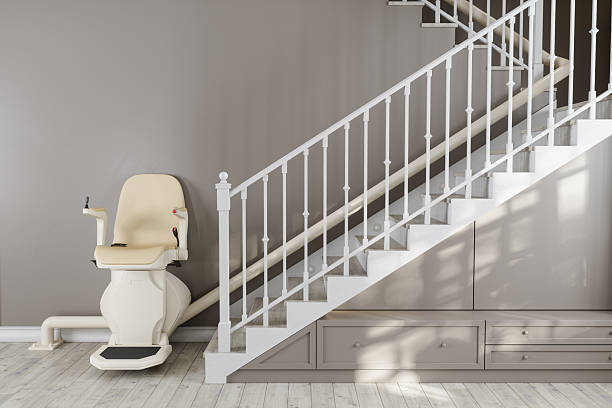
The call usually comes after a fall or a near miss. A parent hesitates at the bottom of the stairs, and the upstairs bedroom suddenly feels like a risk nobody planned for. A stairlift can solve that, but buying one in a hurry is how families end up with the wrong model, a surprise bill, or a seat that doesn’t suit the person riding it.
So what should families consider before installing a residential stairlift? Start with the person who will use it, then the staircase, then the budget and funding. This guide covers how to assess mobility needs, the difference between straight and curved stairlifts, realistic US costs, who might help pay, and what to ask installers. You’ll also see which safety features are worth paying for. The tables summarize each decision. This is general information, not medical advice, so involve a doctor or occupational therapist in the final choice.
What should families consider before installing a residential stairlift?
Consider the rider’s mobility and weight, the shape of the staircase, total installed cost, funding options, installer reputation, and safety features. Get an occupational therapist’s input and at least three written quotes. Confirm there is space and power at both ends of the stairs.
Who will use it?
| Factor | Why it matters | What to do |
|---|---|---|
| Safe transfers | The rider must sit and stand reliably | Ask an occupational therapist to assess |
| Changing needs | Conditions can progress | Consider a swivel seat and remote controls |
| Weight and size | Every model has a rating | Check the capacity before ordering |
| Memory or coordination | Controls must be simple | Choose clear, easy-to-use controls |
| Other household members | Children and guests use the stairs too | Pick a folding rail and a key switch |
Straight or curved?
| Type | Fits | Lead time | Cost |
|---|---|---|---|
| Straight | One flight, no turns | Usually short | Lower |
| Curved | Turns or landings | Custom rail takes weeks | Much higher |
| Outdoor | Porch or deck stairs | Varies | Varies |
One manufacturer puts curved stairlifts at roughly $10,000 to $20,000 installed, with straight models costing less. Other sources quote different ranges, so request local quotes.
Who might help pay?
Medicare treats stairlifts as home modifications, not durable medical equipment, so Original Medicare generally does not pay. Other routes may help.
| Source | What to know |
|---|---|
| Medicare Advantage | Some plans offer home-modification benefits, so read the Evidence of Coverage |
| Medicaid waivers | Some states cover stairlifts, but rules and caps vary |
| VA programs | Eligible veterans may qualify for housing grants, but HISA generally does not cover stairlifts as removable equipment, so confirm with the VA |
| Local help | Your Area Agency on Aging can point to home-modification programs at 1-800-677-1116 |
| Taxes | May count as a medical expense, so ask a tax professional |
Which safety features are worth it?
| Feature | Benefit |
|---|---|
| Seat belt | Keeps the rider secure |
| Swivel seat | Safer exit at the top |
| Battery backup | Works during power outages |
| Obstruction sensors | Stops if something blocks the rail |
| Key switch | Prevents use by children |
| Folding rail and footrest | Keeps stairs clear for others |
What should you ask installers?
| Question | Why |
|---|---|
| Are you licensed and insured? | Protects your home |
| Is the full installed price in writing? | Avoids surprise fees |
| What does the warranty cover? | Parts and labor differ |
| Who services it locally? | Repair speed matters |
| Are permits or electrical work needed? | Rules vary by city and state |
| Can it be removed or resold? | Needs may change |
Rented homes, condos, and HOA properties may require written permission.
Frequently asked questions
Is a stairlift safe for someone with dementia?
It depends on the person. Ask their doctor or an occupational therapist, since controls and supervision needs vary.
Does a stairlift damage the stairs?
Rails usually mount to the stair treads and leave small holes when removed, but confirm with the installer.
Should you consider alternatives?
Yes. Moving the bedroom downstairs, a home elevator, or a ramp may suit some families better.
One last thought
I’d ask an occupational therapist to visit before any salesperson does. A neutral assessment of the person and the stairs keeps the decision about safety and not about a quote.
Must visit https://thehometrottersblog.com/ for stairlift ideas.