

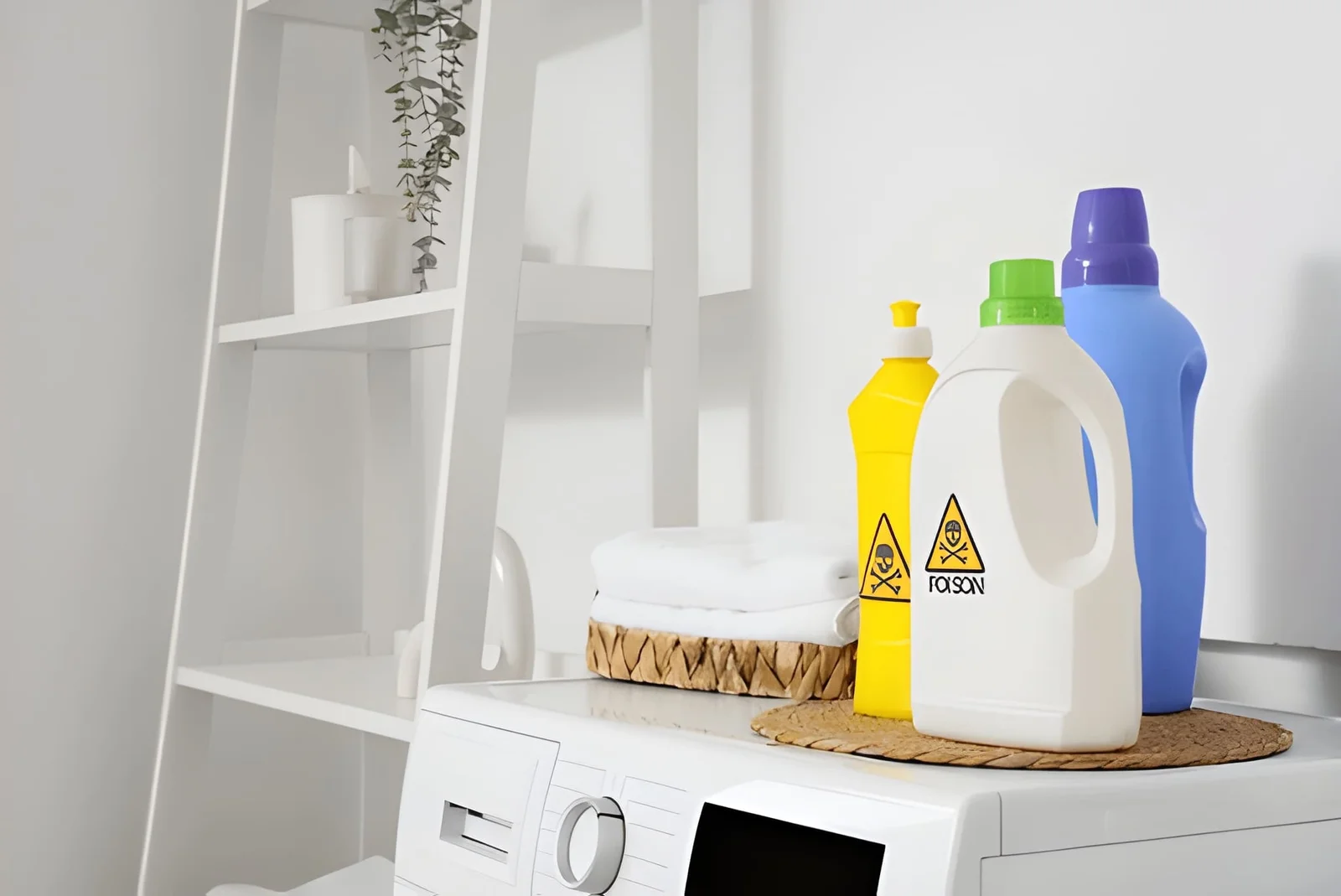
The front of the bottle says “eco-friendly,” “kills 99.9% of germs,” and “dermatologist tested.” The back doesn’t explain any of it. Household product ads are built to make you feel certain in two seconds, and that is exactly when a claim is most likely to be stretched.
So how can you identify misleading claims in household product advertisements? Look for vague words, missing numbers, borrowed authority, and fine print that quietly narrows the headline. This guide covers the red-flag phrases to watch for, how to check cleaning, disinfecting, and “green” claims against US rules, and where to verify a label or report a bad ad. You’ll also get a five-step check you can run in under a minute in the store. The tables work as a quick reference. Advertising law changes, and this is general information, not legal advice.
How can you identify misleading claims in household product advertisements?
Check for vague terms like “natural” or “eco-friendly,” missing proof or numbers, fine print that narrows the headline, and unexplained seals. For disinfectants, look for an EPA registration number and the contact time on the label. Compare the claim with the ingredient list and independent sources.
Which phrases should raise a flag?
| Phrase | Why it can mislead | What to check |
|---|---|---|
| “Eco-friendly” or “green” | The FTC’s Green Guides advise marketers against broad, unqualified claims like these | A specific benefit, such as “made with recycled materials” |
| “Natural” | No single legal definition for most household goods | The full ingredient list |
| “Non-toxic” | Can imply far more than the product proves | Safety data and warnings |
| “Chemical-free” | Everything is made of chemicals | Which ingredients are actually absent |
| “Clinically proven” | Needs real evidence | A named study or test |
| “Kills 99.9% of germs” | Depends on which germs and how long | Listed organisms and contact time |
| “Made in USA” | The FTC generally expects all or virtually all US content | Any qualifiers like “with imported parts” |
How do you check a disinfectant claim?
Household disinfectants are regulated as pesticides, so their labels must meet EPA requirements in addition to FTC advertising principles.
| Check | What to look for |
|---|---|
| EPA registration number | Printed on the label of genuine disinfectants |
| Contact time | How long the surface must stay wet |
| Listed pathogens | Which germs the claim covers |
| Surface instructions | Some claims apply only to hard, nonporous surfaces |
| Safety warnings | Ventilation and mixing cautions |
A product that only says “cleans” or “sanitizes” may not make the same claim as a registered disinfectant.
Which seals and certifications can you trust?
| Type | How to evaluate it |
|---|---|
| Third-party certification | Search the certifier’s website for the product |
| Company-made “seal” | Treat as marketing, not proof |
| Government label (USDA Organic, EPA registration) | Verify with the agency |
| Unexplained logos | Ask what standard stands behind them |
The FTC treats certifications and seals as potentially misleading general claims unless they are properly qualified.
What is a quick five-step check?
| Step | Question |
|---|---|
| 1 | What exactly is the claim? |
| 2 | Is there a number, test, or named source behind it? |
| 3 | Does the fine print narrow it? |
| 4 | Does the ingredient list match the story? |
| 5 | Can I verify it outside the ad? |
Where can you report or verify claims?
| Goal | Where to go |
|---|---|
| Report a deceptive ad | ReportFraud.ftc.gov |
| Check disinfectant registration | The EPA’s pesticide registration lookup |
| Verify a seal | The certifying organization’s website |
| Challenge a competitor’s claims (for businesses) | The BBB National Programs’ National Advertising Division |
| State-level concerns | Your state attorney general’s consumer office |
All 50 states and the District of Columbia also have laws against false and misleading advertising.
What mistakes should you avoid?
- Trusting the front of the package. Read the back.
- Assuming “natural” means safe. The word has no guaranteed meaning.
- Mixing cleaners to boost power. Some combinations release dangerous gases.
- Ignoring contact time. A quick wipe may not meet the claim.
Frequently asked questions
Are the FTC Green Guides laws?
They are guidance, not regulations, but the FTC can act against false or misleading claims.
Is “organic” the same as “natural”?
No. Organic claims on agricultural products fall under USDA rules, while “natural” is far less defined.
What if a claim seems false?
Save the ad and packaging, then report it to the FTC or your state attorney general.
One last thought
I’d flip every bottle over before reading the front. The back is where companies have to be specific, and specifics are easy to check.
For identifying misleading claims in product advertisement must visit https://thehometrottersblog.com/