

Most travel content stops at the postcard moment. You scroll past a sunset in Santorini or a tiled courtyard in Marrakech, feel a flicker of wanderlust, then close the app and go back to a living room that looks nothing like either. Trisha TheHomeTrotters built her whole approach around closing that gap. Instead of treating travel and home design as two separate hobbies, she uses every trip as raw material for the rooms she actually lives in, turning a market visit in Lisbon or a stay in a Kyoto ryokan into a color palette, a shopping list, or a whole new way of arranging a small space.
This matters for anyone in the US trying to make a rental or a starter home feel personal without a designer’s budget. Below are six specific habits behind her approach, plus a couple of quick-reference tables you can use to start applying them in your own home this weekend.
Who Is Trisha TheHomeTrotters?
She is the creator behind a home design and travel lifestyle brand that translates real trips into practical, budget-conscious decorating ideas rather than showroom-style renovations. Her content sits at the intersection of travel storytelling and everyday home improvement, aimed at renters and homeowners who want their space to reflect where they’ve actually been.
How Trisha TheHomeTrotters Applies Travel Ideas at Home
Here are the six habits that show up again and again across her content, and why each one works even if you’ve never left your zip code.
1. She treats markets as mood boards
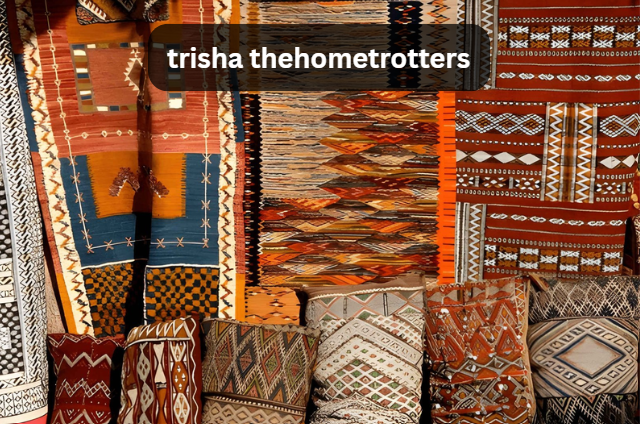
Instead of browsing a home store for inspiration, she starts at the source: a spice market, a textile stall, a flea market in a foreign city. The colors, patterns, and pairings she photographs there become the reference point for a room’s palette later, which tends to produce combinations you won’t find on a typical paint chip display.
2. She borrows color, not just objects
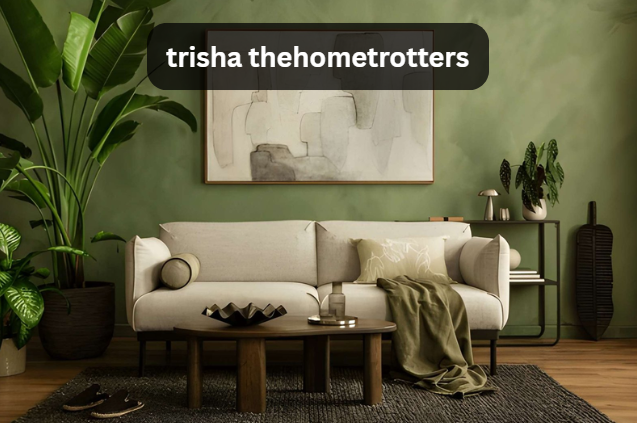
A lot of travel-inspired decorating stops at buying a souvenir and setting it on a shelf. She goes a step further and pulls the actual color story from a place, terracotta and ochre from a Moroccan riad, or muted blues and whitewash from a Greek island, and works that into paint, textiles, or accent pieces even when the destination itself isn’t referenced anywhere in the room.
3. She translates small-space architecture into small-space living
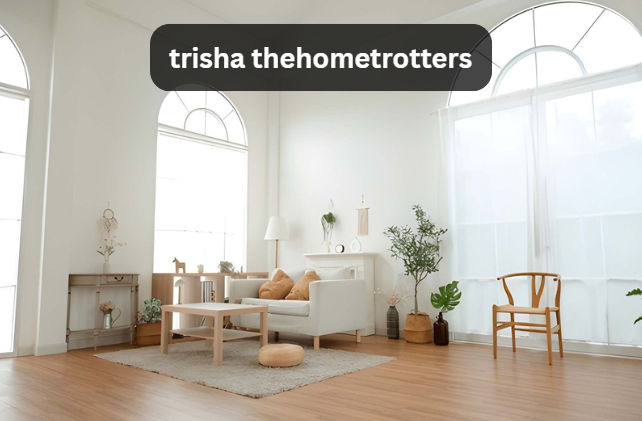
Trips to places built around tight footprints, like a Japanese ryokan or a Lisbon apartment, become case studies in function. Low furniture, multi-use surfaces, and deliberate negative space are ideas she pulls directly from those visits and adapts for American apartments and starter homes, where square footage is often the biggest constraint.
4. She prioritizes function over souvenirs
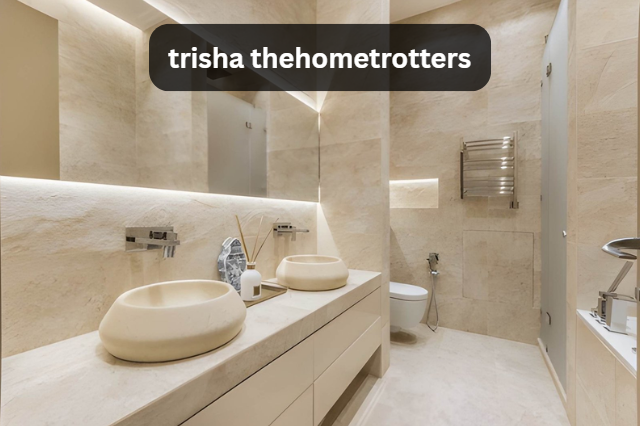
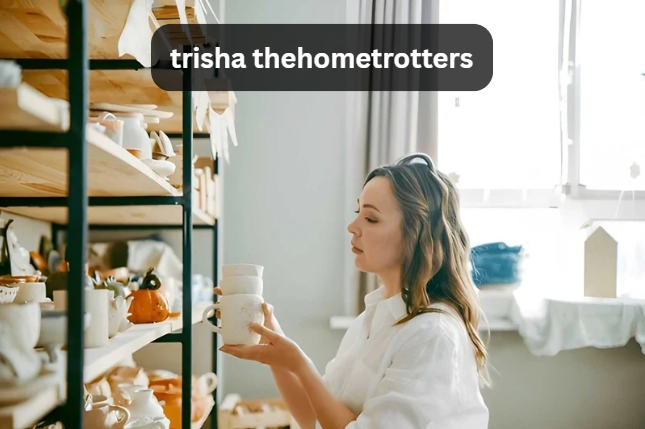
Rather than decorative trinkets, she looks for objects that were made to be used: a ceramic bowl from a Portuguese workshop, a woven basket from a Moroccan souk, a hand-thrown mug from a small studio. These pieces end up doing double duty as both decor and daily-use items, which keeps a home from feeling like a museum of vacation memories.
5. She works with renter-friendly constraints, not around them
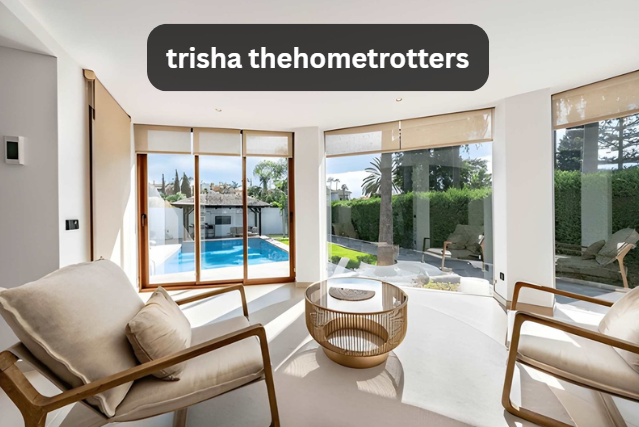
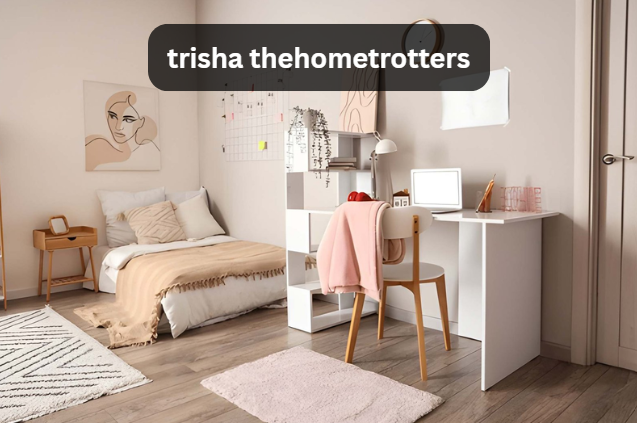
A significant share of her audience rents rather than owns, so the ideas are built to survive a lease: removable wallpaper, freestanding shelving, layered rugs, and lighting that doesn’t require rewiring. It’s a practical filter that a lot of travel-inspired design content skips entirely.
6. She documents the process, not just the finished room
Rather than presenting a polished “after” photo with no context, she tends to show the sourcing, the trial pairings, and the small mistakes along the way. That transparency is part of what separates her lifestyle brand, thehometrotters, from generic mood-board content that offers no path from inspiration to execution.
Quick Reference: Destination Inspiration to Home Element
| Travel Element | Destination Example | Home Design Application |
| Color palette | Moroccan riad | Terracotta walls, ochre textiles |
| Texture | Portuguese ceramics market | Handmade bowls, tiled trivets |
| Layout logic | Japanese ryokan | Low seating, multi-use furniture |
| Material | Southeast Asian weaving | Rattan storage, woven wall art |
| Lighting | Mediterranean courtyards | Warm, layered lamp lighting |
| Pattern | Andalusian tilework | Patterned backsplash or rugs |
How to Start Applying This Approach Yourself
| Step | What to Do | Time Needed |
| 1 | Pick one trip (past or upcoming) and pull 3 colors from your photos | 15 minutes |
| 2 | Choose one room to redesign around that palette | 1 weekend |
| 3 | Swap one purely decorative item for a functional, handmade one | Ongoing |
| 4 | Check materials work with your lease (removable, freestanding) | Before buying |
| 5 | Document the process so you can refine it next time | Ongoing |
Frequently Asked Questions
What makes her different from other home design creators?
She builds every design decision from a specific travel experience rather than general trend reports, which means her recommendations come with a real story and a reason behind the color or material choice, not just a passing aesthetic trend.
Do you need to travel to use these home design ideas?
No. The core habit, pulling color, texture, and layout logic from a specific place and adapting it to your own space, works from photos, films, or even a single trip you took years ago. Her method is about the translation process, not the plane ticket.
Is this approach suitable for renters?
Yes. A large part of her content is built specifically around rental constraints, using removable and freestanding solutions instead of permanent renovations, which makes it one of the more practical travel-to-design approaches for US renters specifically.
The Takeaway
She offers a template that’s easy to copy even if your own travel has been limited to a handful of trips. Pick one memory, pull the colors and textures out of it, and let that guide one room instead of your whole house at once. That single-room approach keeps the project affordable and prevents the kind of half-finished redesign that a lot of Pinterest boards never survive past.