


If you’ve ever stood in a rental kitchen wondering how to make it feel like home without losing your security deposit, you’ve probably stumbled onto Trisha at some point. Over five years and six different addresses (two apartments, a duplex, and three starter homes she and her husband flipped on weekends), she’s built a reputation for fixes that actually survive a move-out inspection. Not vague Pinterest advice. Real numbers, real receipts, real “this looked terrible for three days before it looked great” honesty.
This roundup pulls together nine of her most requested projects, the ones readers keep asking her to repost every spring. Some cost less than a takeout order. One took a full weekend and a borrowed drill. All of them are things a renter or a first-time homeowner can finish without calling a contractor. Below, you’ll find what each project costs, how long it takes, and whether you’ll need a permit, plus a few details Trisha only shares when someone asks in the comments.
Why Trust Trisha’s Home Improvement Advice

Credibility in home improvement content usually comes down to one question: has this person actually done the thing? Trisha has, repeatedly, in spaces she didn’t own and couldn’t gut. Her write-ups on the home trotters tend to include the failed attempt before the fix that worked, which is unusual for the genre and part of why her audience keeps coming back. She’s not a licensed contractor and says so upfront in every post. Her value is in the trial-and-error, not a credential.
The 9 Ideas

1. Peel-and-Stick Backsplash That Actually Survives a Move
Trisha’s first apartment backsplash lasted through two moves and a subletter before she finally pulled it up herself. The trick, she found, isn’t the brand. It’s cleaning the wall with rubbing alcohol first and using a hairdryer on low heat to smooth every seam. Cost: around $35 for a small kitchen run.
2. The $38 Return-Air Vent Swap
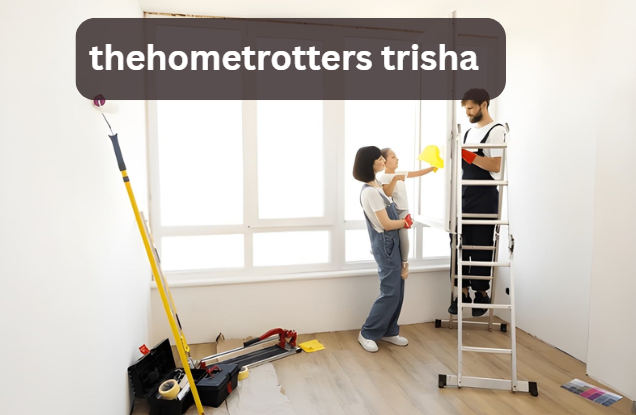
Builder-grade vent covers are usually the cheapest, ugliest thing in a rental. Trisha swapped hers for a decorative cast-look cover from a hardware store, no tools beyond a screwdriver. It’s a five-minute job that changed how an entire hallway looked.
3. Painting Just the Trim, Not the Walls
When a full repaint wasn’t allowed, Trisha painted only the baseboards and door trim in a crisp white. Most leases don’t restrict trim the way they restrict walls. It reads as a full refresh for a fraction of the paint and the time.
4. Command-Strip Floating Shelves
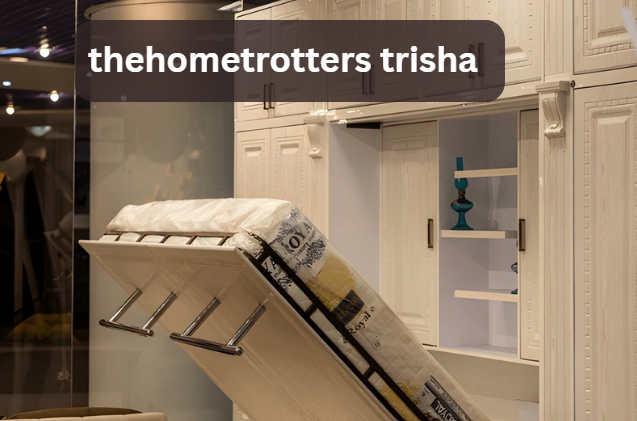
Standard shelf brackets need drilling. Trisha tested a set of heavy-duty adhesive shelf brackets rated for 15 pounds and left them up for eight months without a single wall mark on removal. She’s clear that she wouldn’t stack heavy books on them; cookbooks and small plants only.
5. Cabinet Hardware Swap with Reversible Holes

Swapping cabinet knobs for pulls usually means new drill holes. Trisha’s workaround: pulls sized to match the existing single-hole spacing, so nothing new gets drilled and the original hardware goes back in a labeled bag for move-out.
6. A Rug Layered Over the Rug That Came with the Place

Instead of replacing a builder-grade carpet she couldn’t touch, Trisha layered a flatweave rug directly over it. It muffled sound in an upstairs unit and solved a color problem in one afternoon.
7. Under-Cabinet Puck Lights, No Wiring
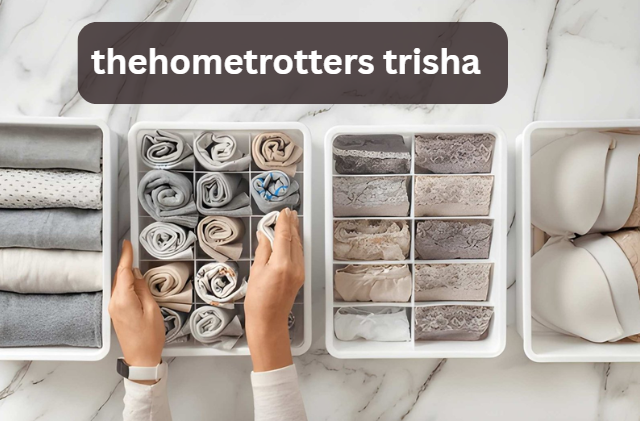
Battery or plug-in puck lights stuck under upper cabinets gave her kitchen counter task lighting that a hardwired fixture never could, without an electrician. She reports about four months of battery life on the rechargeable set she uses.
8. The One-Weekend Closet System
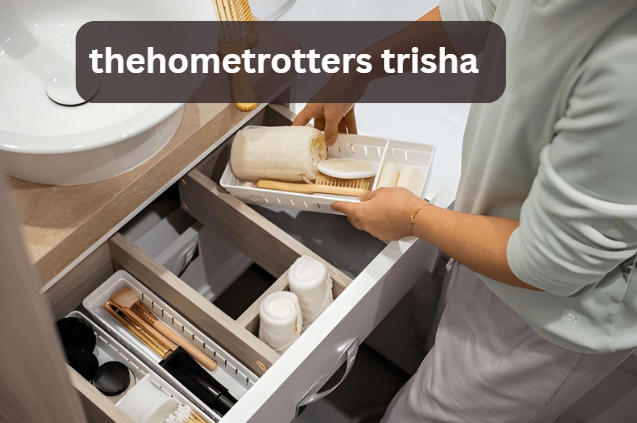
Using a tension rod system and stackable bins instead of built-ins, Trisha rebuilt a cramped closet in a Saturday afternoon. Nothing attached to the wall, and everything came apart in twenty minutes when she moved out.
9. Outlet Cover Upgrades
The smallest project on the list and, according to her comments section, the one people forget about most. Swapping plain plastic outlet covers for a brushed-metal finish across a room costs under $20 and takes less time than unloading the dishwasher.
Cost, Time, and Permit Snapshot
| Idea | Estimated Cost | Time Needed | Permit Required |
| Peel-and-stick backsplash | $30 to $45 | 2 to 3 hours | No |
| Vent cover swap | $30 to $45 | 5 to 10 minutes | No |
| Trim-only paint | $25 to $40 | 3 to 4 hours | No |
| Command-strip shelves | $20 to $35 per shelf | 30 minutes | No |
| Reversible cabinet pulls | $20 to $50 | 1 to 2 hours | No |
| Layered rug | $60 to $150 | 20 minutes | No |
| Puck lights | $25 to $60 | 15 to 20 minutes | No |
| Weekend closet system | $80 to $150 | 4 to 6 hours | No |
| Outlet cover upgrade | $15 to $25 | 20 minutes | No |
None of these nine require a permit because none involve altering plumbing, electrical wiring, or load-bearing structure. They’re surface-level, reversible changes, which is exactly the constraint Trisha designs around for renters and first-time owners who want to move cautiously.
Frequently Asked Questions
Do I need a landlord’s permission for any of these projects?
Most leases allow surface changes like adhesive hooks, rugs, and swappable hardware, but always check your specific lease. Painting trim can fall into a gray area, so it’s worth a quick text to your landlord before you start.
What’s the single cheapest project on this list?
The outlet cover upgrade, usually under $20 for a whole room, with no tools beyond a screwdriver.
Can these ideas work in an older home, not just a modern apartment?
Yes. Trisha has used versions of all nine in a 1970s duplex with plaster walls, adjusting mainly the type of adhesive strips used since older plaster can be more porous than drywall.
Final Thoughts
What makes this list different from a generic renovation roundup is that every project has already failed once, in a real apartment, before it made the list. That’s the throughline in Trisha‘s approach: test it somewhere you can’t afford to mess up, then write down what actually worked. If you’re weighing your first home improvement project, start with whichever of these nine matches your biggest daily annoyance, not the one that looks best in a photo.
 Admin
Admin