

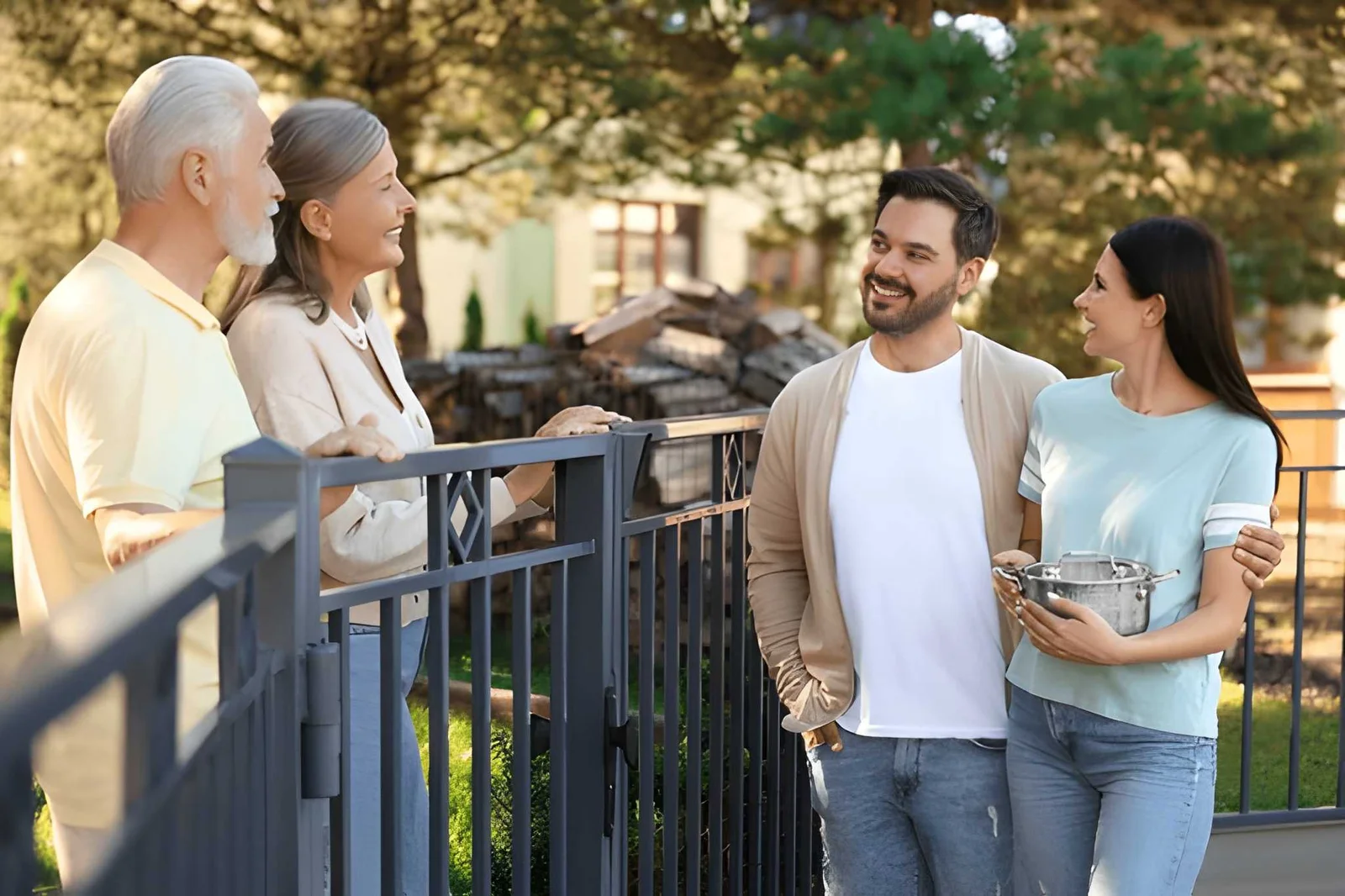
The boxes are unpacked and the pictures are hung, yet the street still feels like someone else’s. You do not know which café is good, who lives next door, or where to buy a lightbulb at 9 p.m. Many people assume this is a personality problem and wait to feel at home. It is usually a repetition problem. A neighborhood becomes familiar when you see the same places and faces several times, and a new home gives you very few of those moments by default. So how can you settle into a new neighborhood faster?
The most reliable method is to create repetition on purpose. This article shows how to build three circles: places you visit often, people you see regularly, and small favors that start relationships. You will find a quick answer, a circle table, a first-90-days plan, a list of low-effort ways to meet people, a safety note, and the mistakes that slow things down. It suits renters, buyers, families, and people moving alone. Read the quick answer first, then use the sections that fit your situation.
How Do You Settle Into a New Neighborhood Faster?
To settle into a new neighborhood faster, pick two or three local places to visit weekly, learn a few neighbors’ names, and join one recurring local activity. Familiarity grows through repeated, low-pressure contact. Start with routine, then add small asks, such as borrowing a tool or asking for a recommendation.
The Three Circles
| Circle | What it is | Examples | Target in month one |
|---|---|---|---|
| Places | Spots you return to often | Café, library, park, grocery, gym | Two or three regulars |
| People | Faces you see repeatedly | Neighbors, shopkeepers, dog walkers | Five names |
| Small asks | Tiny requests that invite a reply | Recommendations, a borrowed ladder | One per week |
Repeat visits matter more than long conversations. A thirty-second chat every week beats one long evening.
A First-90-Days Plan
| Period | Focus | Actions |
|---|---|---|
| Days 1 to 14 | Practical base | Find the pharmacy, clinic, grocery, and transit, introduce yourself to immediate neighbors |
| Days 15 to 45 | Routine | Pick fixed times for your regular spots, walk a different street each week |
| Days 46 to 90 | Belonging | Join a class, club, volunteer role, or community event, host something small |
Low-Effort Ways to Meet People
| Idea | Why it works |
|---|---|
| Walk the same loop at the same time | You meet the same people |
| Visit one café or market weekly | Staff and regulars start to know you |
| Join a library, sports, or hobby group | Built-in repetition |
| Ask for a local recommendation | Gives people an easy way to help |
| Attend a local meeting or cleanup | Shared purpose |
| Leave a short note with your name and number for neighbors | Opens the door without pressure |
If you have children or a dog, schools and parks create natural contact points.
Make Your Own Home Part of It
Small signs on your doorstep, such as a plant, a seasonal wreath, or a welcome mat, tell neighbors you are staying. Sit on the porch or step outside occasionally, since people approach those who look available.
Safety Note
Be friendly but sensible. Share your name and general contact details with neighbors, not your schedule or travel plans. Meet new people in public places first, and check community groups before sharing personal information. If a place feels unsafe, trust that feeling and ask local services for advice.
Mistakes to Avoid
The most common mistake is waiting to be invited. Another is staying inside for the first few weeks “until things are unpacked.” Trying to meet everyone at once leads to fatigue, so pick a few people. Comparing the new neighborhood to the old one every day slows adjustment. Finally, don’t give up after one awkward conversation. Familiarity takes repetition.
FAQ
How long does it take to feel at home?
It varies by person and place, but regular routines often help within a few months.
What if I work from home?
Choose one fixed outside routine, such as a morning walk or a weekly class.
Bottom Line: Settle Into a New Neighborhood Through Repetition
To settle into a new neighborhood faster, build three circles of places, people, and small asks, and give each a weekly rhythm. Start with routine, add one group, and stay patient. Familiarity builds one small visit at a time.
Must visit https://thehometrottersblog.com/ for neighborhood ideas.