
The average U.S. apartment shrank to under 900 square feet in 2024, and rent per square foot kept climbing anyway. If you’ve measured your living room with a tape measure and a sinking feeling, you already know the problem: most small-space advice was written for a 1,400-square-foot “small” apartment, not the 550-square-foot studio you’re actually paying for. This set of blog home ideas skips the usual mirror-and-plant-shelf routine and sticks to the math, materials, and layout decisions that actually hold up in apartments under 700 square feet, the kind found in Chicago three-flats, Brooklyn walk-ups, and Austin garden-style complexes. Ten ideas follow, each built around a choice you can make this week: what to rent instead of buy, which single wall to paint instead of leaving every wall blank, and how to test a layout before you spend a dime on delivery. None of it needs a renovation budget or a landlord’s blessing you don’t already have.
The Blog Home Ideas Small-Space Playbook
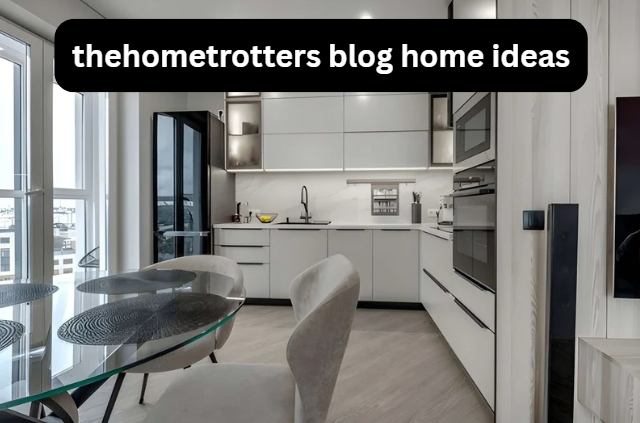
1. Price your apartment by usable square foot, not room count
A “one-bedroom” with a 6-by-8-foot bedroom nook isn’t the same deal as one with a real 10-by-12 room, even at the same rent. Before you sign, measure the actual usable floor space and divide monthly rent by that number. It turns a vague gut feeling into a number you can compare across listings.
2. Buy furniture that’s willing to fail at its first job
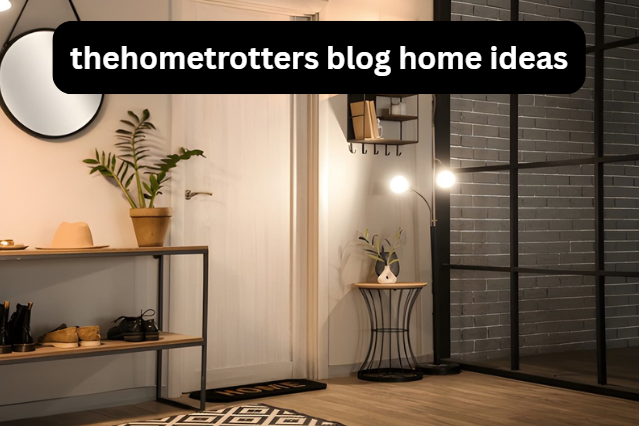
A drop-leaf dining table that becomes a desk by 9 a.m. earns its keep twice. Skip pieces built for one purpose only, and look for ones with a second, unrelated use built in, not just “storage ottoman” but something that changes shape or function entirely.
3. Rent a seasonal locker instead of buying bins you’ll trip over
Off-site storage lockers in most metro areas run 50 to 90 dollars a month, only during the months you actually need them. That beats buying six plastic bins that eat closet space year-round for gear you use eight weeks a year.
| Option | Typical cost | Space used year-round |
| Off-site locker (seasonal) | $50–$90/month, 3–4 months | None |
| Plastic storage bins | $15–$30 per bin, one-time | 6–15 sq ft of closet floor |
| Under-bed storage boxes | $20–$40 per box, one-time | Bed frame clearance needed |
4. Turn closet doors into usable surface, not dead space
A flat closet door is wasted real estate. Cork board panels, a magnetic sheet, or a slim hook rail turn it into a mail station or jewelry wall for under 25 dollars, and none of it requires drilling into the door itself.
5. Build one quiet zone instead of open shelving everywhere
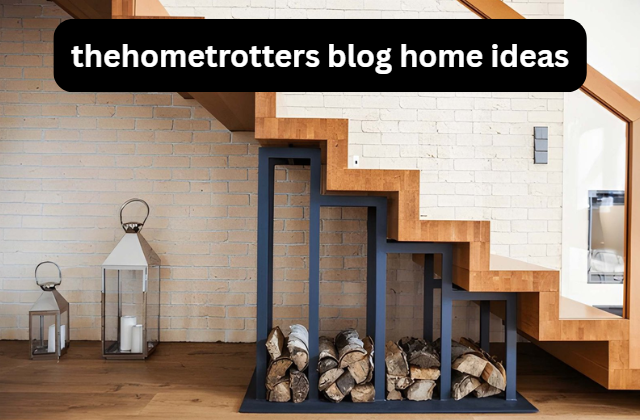
Open shelving photographs well and clutters fast in a small footprint. Pick one closed cabinet or curtained shelf as your “quiet zone” for anything that isn’t styled, and let the rest of the room stay visually calm.
6. Paint one wall, not every wall, in a real color
The all-neutral small-space rule backfires more than it helps. A single anchor wall in a deep color adds depth and actually makes the room read larger than four matching beige walls, because it gives the eye a stopping point.
7. Size your rug two steps bigger than instinct says
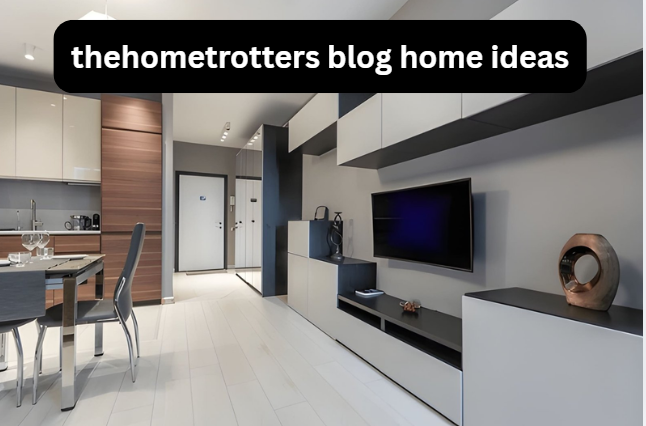
A rug that only fits under the coffee table shrinks a room. Rule of thumb: the rug should extend 6 to 10 inches past the front legs of your seating. It costs more upfront but reads as one continuous floor instead of a patchwork.
Testing Before You Buy
8. Hang curtain rods wall-to-wall, not window-width
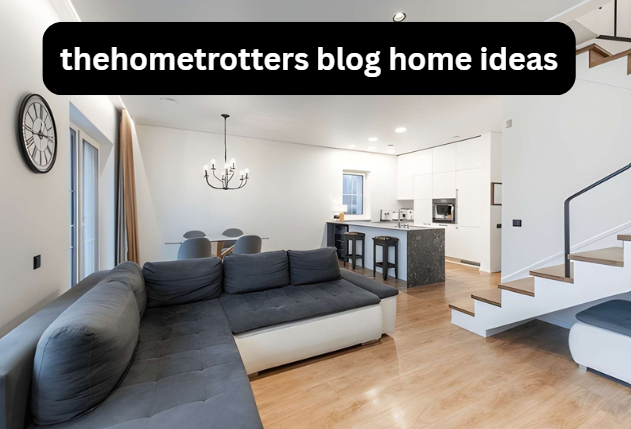
A rod mounted 6 to 12 inches past each side of the window frame, at 25 to 40 dollars, makes the window look wider than it is and lets curtains fully clear the glass for more daylight.
9. Rotate storage bins by season in the space above cabinets
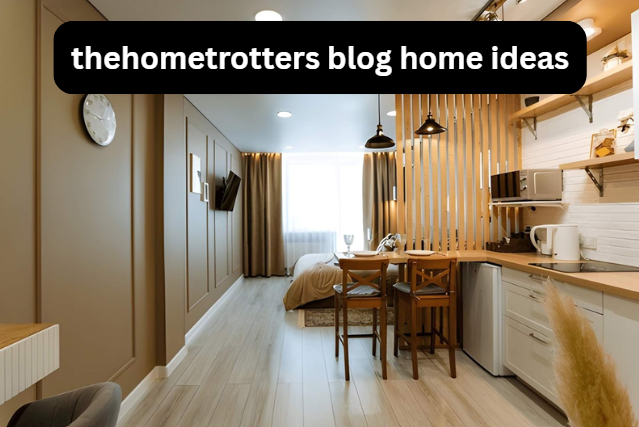
The 12 to 18 inches above kitchen cabinets is usually empty. Instead of permanent decor, store two labeled bins there and rotate their contents by season, so that dead zone earns its keep twice a year.
10. Tape out furniture placement before you buy anything
Painter’s tape on the floor, sized to match a piece’s real dimensions, costs nothing and prevents the return. Furniture returns commonly carry a 15 to 20 percent restocking fee on top of delivery costs that never come back. This is the one of these thehometrotters tips readers mention most, mostly because it saves real money before a single box arrives.
| Piece | Primary use | Second use | Typical price range |
| Drop-leaf table | Dining | Desk / craft table | $120–$300 |
| Storage bench | Entryway seating | Shoe and bag storage | $80–$220 |
| Murphy bed frame | Sleeping | Full-day floor space | $400–$1,200 |
| Nesting side tables | Living room surface | Extra seating for guests | $60–$150 |
Frequently Asked Questions
What counts as a small apartment in the United States?
Most renters call anything under 700 square feet small, though the national average apartment size has dropped below 900 square feet. Studios in cities like New York, Boston, and San Francisco often run 400 to 550 square feet.
Do I need a renovation budget to use these ideas?
No. Every idea here works within a standard lease, meaning no painting over original walls without permission and no permanent fixtures. Costs range from free, for the painter’s tape layout test, to about 90 dollars a month for seasonal storage rental.
Which of these ideas saves the most money?
Testing furniture placement with painter’s tape before buying saves the most, since furniture returns often carry a 15 to 20 percent restocking fee plus delivery charges that don’t come back.
Where do these ideas come from?
They come from renter surveys and apartment walkthroughs across dense U.S. rental markets, not showroom staging. Every one of these blog home ideas was chosen because it holds up in apartments under 700 square feet, not just in photos.
The Bottom Line
None of these blog home ideas require a bigger apartment, just a more honest look at the one you already have. Start with the free ones, the tape test and the closet door, before you spend on anything else. Small space living gets easier once the room is working for you instead of against you.
[…] removal may come first in Madison Park homes when old products leave a cloudy […]