

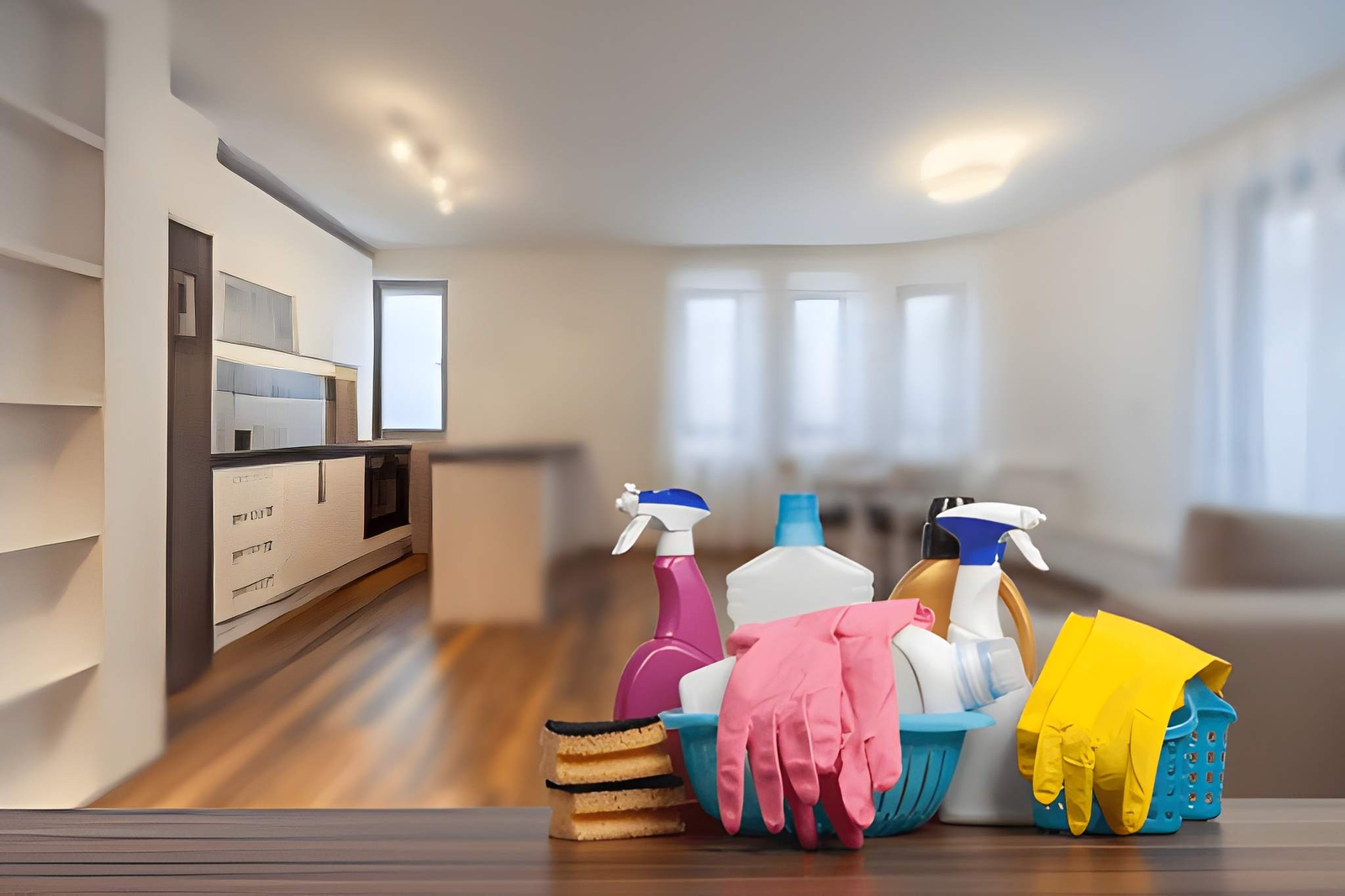
Cleaning is one of those tasks that most people don’t mind once they’re doing it — it’s starting that’s the problem. The activation energy required to locate the supplies, carry them to wherever the cleaning needs to happen, realize the right product isn’t there, go back for it, and finally begin — that sequence of small frictions is often enough to defer the task indefinitely, or to do it badly with whatever is nearest rather than properly with what’s needed.
Most cleaning advice addresses technique: how to clean more efficiently, which products work best, how to sequence tasks for maximum speed. Almost none of it addresses the variable that determines whether cleaning starts at all: where the cleaning supplies are stored relative to where cleaning needs to happen.
The behavioral research is clear — friction is the primary predictor of whether a behavior occurs. Every additional step between the intention to clean and the act of cleaning reduces the likelihood of cleaning happening in that moment. For a task that already competes with everything else on a household’s to-do list, additional friction is often enough to tip the decision toward deferral. This article covers exactly how to restructure cleaning supplies storage to remove that friction — and what specifically changes when you do.
The Friction Problem With How Most US Households Store Cleaning Supplies
Most US households store cleaning supplies in one or two central locations — typically under the kitchen sink and in a bathroom cabinet. The logic is organizational: keep similar things together, maintain one master inventory, know where everything is.
The problem is that this logic optimizes for storage efficiency rather than use efficiency. Cleaning supplies stored in one place require retrieval and transport every time cleaning happens somewhere else — which is most of the time.
| Centralized Storage Problem | What It Produces | Behavioral Consequence |
|---|---|---|
| Supplies under kitchen sink only | Bathroom cleaning requires a trip to kitchen | Bathroom cleaning deferred more frequently |
| All supplies in one cabinet | Every room requires retrieval from one location | High activation energy for any cleaning task |
| Products stored behind each other | Front products used, back products forgotten | Duplicate purchasing, wasted product |
| Heavy cleaning kit to carry | Physical effort to transport supplies | Task feels harder before it starts |
| Supplies mixed with non-cleaning items | Searching required before each use | Time cost + cognitive friction per cleaning session |
| No supplies at secondary bathroom | Only main bathroom gets regular attention | Secondary bathrooms cleaned less consistently |
The Use-Location Principle: Where Cleaning Supplies Should Actually Be
The use-location principle — storing items where they’re used rather than where they fit — produces the most significant reduction in cleaning friction of any storage change available to US homeowners. Applied to cleaning supplies specifically, it means:
Bathroom cleaning supplies in the bathroom. Every bathroom that needs cleaning should have its own cleaning supplies — toilet cleaner, surface spray, cloths, and scrubber — stored in that bathroom’s cabinet or under its sink. Not in the main cleaning closet, not under the kitchen sink: in the bathroom.
Kitchen cleaning supplies at the kitchen sink. The sponge, dish soap, surface spray, and microfiber cloth needed for daily kitchen maintenance should be at the kitchen sink and under the kitchen sink — not in a cleaning closet across the room.
Floor cleaning supplies in the room that needs floor cleaning most frequently. A dustpan and brush in the kitchen. A mop and bucket accessible without a storage closet expedition for the areas cleaned most often.
The objection to this approach is always cost: won’t maintaining multiple small supplies kits in multiple locations cost more? The honest answer is that the additional cost per year is $15 to $40 in duplicate product — and the behavioral return is that the cleaning happens. Cleaning that gets done at reduced product cost beats cleaning that doesn’t happen because the friction was too high.
| Cleaning Supplies Configuration | Annual Product Cost | Cleaning Frequency Likely | Net Household Benefit |
|---|---|---|---|
| Centralized under kitchen sink | Lower — one kit | Lower — friction deters starts | Low |
| One per bathroom + kitchen zone | Medium — 3–4 small kits | Higher — supplies at point of use | High |
| Caddy system (portable between zones) | Lower — one kit | Medium — transport still required | Medium |
| Under-sink in each space | Medium — duplicates of key products | Highest — zero transport | Very High |
The Specific Cleaning Supplies Arrangement That Reduces Friction Most
The Bathroom Under-Sink Kit
Each bathroom in the home should contain: one toilet cleaner, one surface spray (suitable for sink, toilet exterior, and counter), one or two microfiber cloths, one scrubbing brush or sponge. Total cost per bathroom: $10 to $20 in product. Storage: the cabinet under the sink, or a small caddy on the cabinet floor.
With this arrangement, bathroom cleaning has zero retrieval friction. Everything needed is already in the room. The cleaning can start the moment the decision is made — which is the condition that makes cleaning happen rather than being deferred.
The Kitchen Counter and Under-Sink Zone
The kitchen’s cleaning supplies should be divided between two positions: at the sink (sponge, dish soap, drain brush — things used multiple times daily) and under the sink (surface spray, microfiber cloths, oven cleaner for periodic use, extra sponges). Nothing related to kitchen cleaning should require leaving the kitchen.
The dish soap at the sink is already practiced by most US households. The surface spray under the kitchen sink — not in the cleaning closet — is the change that makes wiping the counter a zero-friction decision rather than a three-step retrieval process.
The Entry or Utility Cleaning Supplies Station
A small collection of floor cleaning supplies — a handheld vacuum or dustpan and brush, a floor spray, and a mop for weekly floors — stored at the most accessible point between the main living areas. Not in a basement. Not in a utility room two rooms away. In the closet nearest to where floor cleaning happens, positioned for immediate retrieval without moving other items to access them.
| Room or Zone | Essential Cleaning Supplies | Storage Location | Retrieval Friction Level |
|---|---|---|---|
| Main bathroom | Toilet cleaner, surface spray, 2 cloths, scrubber | Under bathroom sink | Zero — already there |
| Secondary bathroom | Same as main bathroom | Under that bathroom’s sink | Zero |
| Kitchen | Dish soap, sponge, surface spray, microfiber cloths | At sink + under kitchen sink | Near-zero |
| Living room | Microfiber duster, glass spray for TV | In nearest accessible drawer | Low |
| Entry/hallway | Dustpan and brush, floor spray | Entry closet, front-accessible | Low |
| Laundry area | Stain remover, pre-treat spray | At or beside washing machine | Zero |
The Caddy System: When Duplication Isn’t Practical
For US households where purchasing duplicate cleaning supplies for multiple rooms isn’t practical — small apartments, tight budgets, or limited storage space — a well-organized caddy system is the next most effective approach.
The key difference between a caddy that reduces friction and one that doesn’t: the caddy must be stored in the location where it’s most frequently used, not in a central location that requires retrieval. A cleaning caddy stored in the main bathroom is immediately accessible for bathroom cleaning. The same caddy stored under the kitchen sink requires carrying it to every other location — which is the original problem in a slightly more organized form.
A quality caddy with handles costs $8 to $20 and allows all necessary cleaning supplies to move as one unit rather than being assembled before each cleaning session. The friction reduction isn’t as complete as zone-specific storage but is significantly better than a centralized storage approach without a caddy.
Frequently Asked Questions
Will having cleaning supplies in multiple locations cost significantly more?
The additional cost is $15 to $40 annually in duplicate products — primarily the surface spray and cloths needed in each bathroom. Against the behavioral benefit of cleaning that actually happens because the supplies are already there, this cost is consistently worth it. The alternative — centralized supplies that require retrieval — produces cleaning that happens less frequently, which has its own costs in hygiene, home maintenance, and eventual catch-up cleaning sessions.
What cleaning supplies should every bathroom have?
At minimum: one toilet bowl cleaner, one multi-surface spray suitable for the sink, toilet exterior, and counter, one or two microfiber cloths, and a toilet brush if not already at the toilet. This four-item kit covers 90% of routine bathroom maintenance and costs $10 to $20 per bathroom. The toilet brush is typically already bathroom-specific; the other three items are the additions that make bathroom cleaning zero-friction.
How do I store cleaning supplies under the sink effectively?
Front-accessible is the only storage arrangement that reduces friction. Items stored behind other items get used less because retrieval requires moving what’s in front first. A simple pull-out bin, a two-tier under-sink organizer ($10 to $25), or a small lazy Susan allows everything to be reached without moving anything else. The front position should be reserved for the most frequently used items.
Should I keep a cleaning caddy or zone-specific supplies?
Zone-specific supplies produce lower friction but higher cost and require more storage space per zone. A caddy reduces duplication cost but retains some transport friction. For households with multiple bathrooms, zone-specific is consistently the better investment. For small apartments with one bathroom and an open kitchen-living space, a well-placed caddy is adequate.
What’s the most common cleaning supplies storage mistake US homeowners make?
Storing everything under the kitchen sink regardless of where cleaning happens. This arrangement optimizes for storage consolidation at the cost of use-location logic. The kitchen sees the most frequent cleaning because the supplies are there. Every other room in the home gets less attention not because homeowners care less about it but because the activation energy of retrieving supplies from the kitchen is consistently enough to defer the task.
The Bottom Line
Cleaning is less annoying when cleaning supplies are where cleaning happens. This isn’t a complicated insight, but it’s one that contradicts how most US households store their products — and changing it produces a measurable behavioral shift in how often cleaning actually occurs.
One kit under each bathroom sink. Surface spray and cloths at the kitchen sink and under the kitchen sink. Floor supplies at the nearest accessible storage to where floors are cleaned. A caddy for everything else, stored at its primary use location rather than a central supply area.
These changes cost $30 to $60 to implement fully and produce a home that gets cleaned more consistently — not because the household became more disciplined, but because the environment stopped making cleaning harder than it needs to be.
Must visit https://thehometrottersblog.com/ for cleaning ideas.