

Search “home decor ideas” and you’ll land on a list that tells you to add a neutral base, layer your lighting, and toss in a plant. All true. None of it explains why your living room still looks like a furniture showroom after you’ve done exactly that. The gap isn’t information, it’s sequencing: most guides treat 25 ideas as 25 equal choices, when in a real US living room, three of them do 80 percent of the work and the rest are finishing touches. This guide sorts all 25 by what actually moves the needle first, backed by two comparison tables so you can see cost, effort, and impact at a glance before you buy anything. If you’ve already tried the standard advice and the room still feels flat, the ideas below explain what’s usually missing and in what order to fix it.
The Ideas That Actually Change a Room First
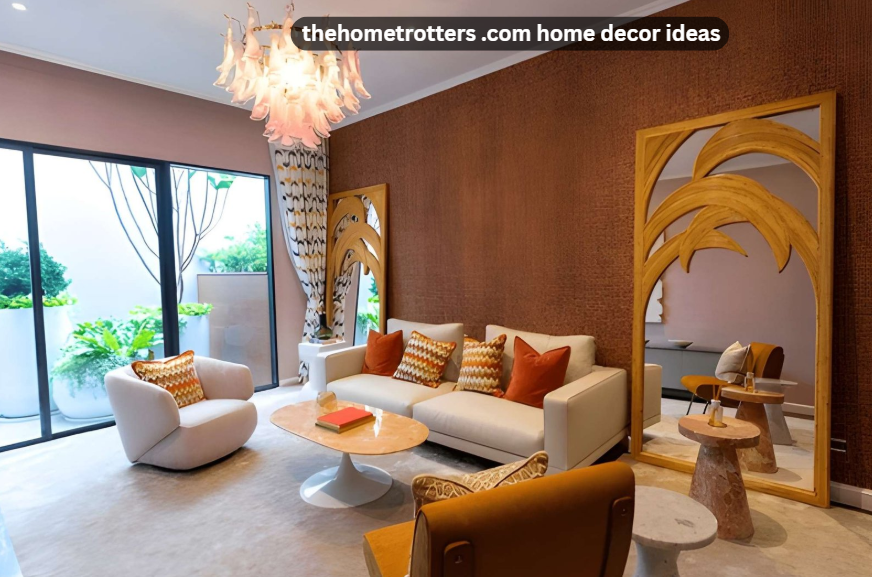
Before touching accessories, get the bones right. A living room reads as “designed” or “assembled” almost entirely based on scale, light, and one dominant material choice, not the number of throw pillows on the sofa.
- Anchor the room with a rug sized for the whole seating group, not just the coffee table. Undersized rugs are the single most common mistake in American living rooms, and it’s the fastest visual downgrade there is.
- Pull furniture off the walls by six to twelve inches. It sounds counterintuitive in a small room, but floating the sofa slightly creates a defined seating zone instead of a perimeter of furniture around an empty middle.
- Pick one dominant wood or metal tone and repeat it at least twice. Mixing five finishes reads as “we bought whatever was on sale,” not eclectic.
- Install a dimmer on the main overhead fixture. A twelve-dollar dimmer switch changes a room’s mood more than a two-hundred-dollar lamp.
- Hang curtains at ceiling height, not window-frame height. This single change makes eight-foot ceilings look nine feet tall for the cost of a slightly longer rod.
home decor ideas vs. What US Homes Actually Need Next
Once the structural layer is right, the next round of ideas is about layering texture and light without adding clutter. This is where a lot of well-meaning advice, including plenty of generic home decor ideas -style roundups, gets vague. “Add texture” isn’t actionable. Here’s what it means in practice:
- Layer at least three light sources per room: overhead, task, and ambient (a floor lamp or picture light counts).
- Use a boucle or chunky-knit throw on leather or smooth upholstery to break up a single texture.
- Add one oversized piece of art, at minimum two-thirds the width of the sofa behind it, instead of three small ones.
- Swap builder-grade switch plates and outlet covers for matte black or brass ones. It costs under $30 for a whole room and reads as intentional.
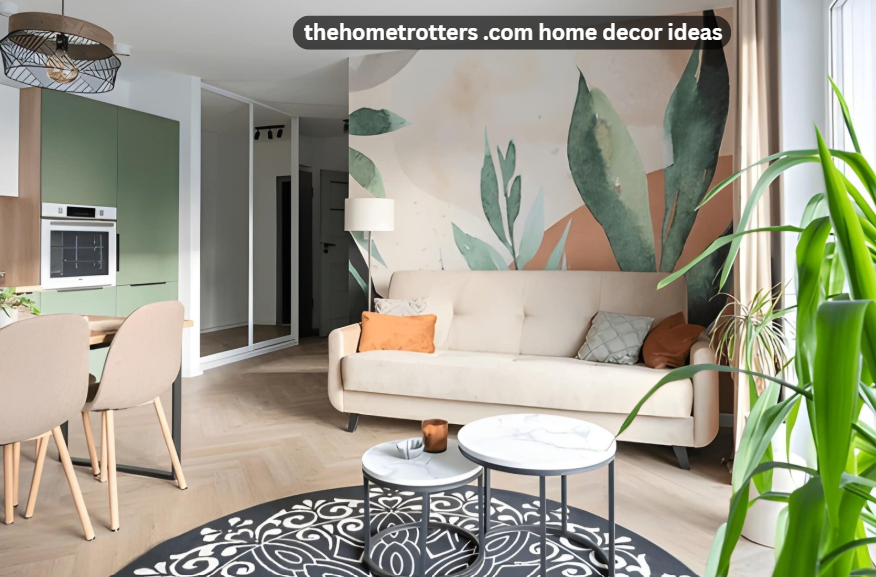
- Bring in one live plant taller than knee height, like a fiddle leaf fig or snake plant, rather than several small succulents.
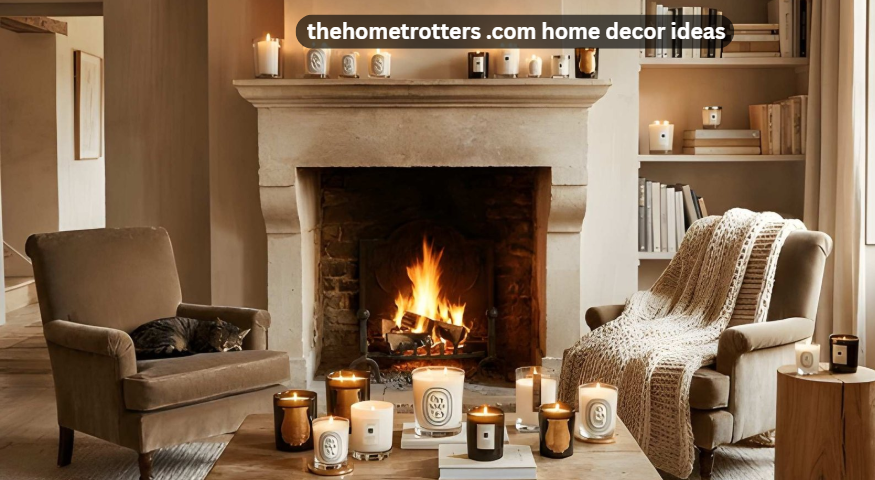
- Group candles, books, and objects in odd numbers (three or five) on shelves, not even pairs.
- Use a slipcover or reupholster before replacing furniture that’s structurally sound.
- Choose a coffee table lower than the sofa arm, not level with it, to keep sightlines open.
- Add a bench or ottoman at the end of a long room to break up empty floor space.
- Frame the TV instead of hiding it. A gallery wall or a piece of art on a sliding track around the screen does more than pretending it isn’t there.
Budget and Room-Specific Ideas
These are the ideas most likely to be skipped, and most likely to be why a room still feels unfinished after the big-ticket items are done.
- Paint the ceiling a shade lighter than the walls instead of stock white, which can look yellow next to a cool gray wall.
- Use picture ledges instead of frames for a gallery wall you can rearrange without new nail holes, common in rental-heavy markets.
- Add a runner in hallways connecting to the living room so flooring transitions feel intentional.
- Replace a single large mirror with a cluster of three different shapes for more visual movement.
- Use blackout liners behind sheer curtains in south- and west-facing rooms common across the Sun Belt.
- Add a woven pouf as flexible extra seating instead of a second armchair in tight square footage.
- Match hardware finishes across the room, cabinet pulls, lamp bases, and picture frames, not just the light fixtures.
- Install floating shelves at varied depths rather than one flat row.
- Bring in a vintage or one-off piece, a flea market side table works, so the room doesn’t read as a matching showroom set.
- Reassess every six months. Rooms that get “redone” once and never edited again are the ones that feel dated first.
Quick Reference: Cost and Impact by Idea
| Category | Example Ideas | Typical Cost (US) | Impact Level |
| Structural | Rug sizing, furniture placement, ceiling-height curtains | $50–$400 | High |
| Lighting | Dimmers, layered lamps, picture lights | $20–$150 | High |
| Texture & Finish | Hardware swaps, throws, art scale | $30–$250 | Medium |
| Room-Specific | Ceiling paint, runners, ledges | $40–$300 | Medium |
| Ongoing Maintenance | Seasonal edits, plant swaps, decluttering | $0–$50 | Low cost, compounding |
Where to Start Based on Your Room
| Room Situation | Start With | Skip For Now |
| Rental apartment | Rug, lighting layers, picture ledges | Painting, permanent hardware swaps |
| Newly built house, mostly empty | Furniture placement, curtain height, one anchor art piece | Small accessories |
| Fully furnished but flat | Dimmer, hardware finish match, texture layering | New furniture |
| Small living room under 200 sq ft | Furniture scale, pouf seating, mirror cluster | Oversized statement pieces |
Most broad home decor ideas -style lists put all 25 changes on equal footing, which is part of why they can feel overwhelming without moving the room forward. Working through structure, then light, then texture, in that order, is what separates a living room that looks staged from one that looks lived in on purpose. For the original, more general list this guide responds to, We cover the fundamentals, and this guide is meant to pick up where that leaves off.
Frequently Asked Questions
What’s the fastest way to make a living room look more expensive without a full redecorate?
Size the rug to fit under the front legs of every seating piece, add a dimmer to the main light, and hang curtains at ceiling height. Those three changes cost under $200 combined in most US markets and account for most of the visual difference between a “finished” room and an unfinished one.
How many home decor ideas should I actually try at once?
Three to five, focused on one category (structural, then lighting, then texture) rather than one item from each list. Mixing categories in a single weekend is the most common reason a room ends up feeling busy instead of pulled together.
Do I need matching furniture for a room to look cohesive?
No. Repeating one wood or metal tone at least twice does more for cohesion than matching every piece, and a single vintage or mismatched item usually makes a room look more intentional, not less.
Is it worth paying for professional design advice for one room?
For a single living room, most of the impact comes from the structural and lighting changes above, which don’t require a designer. A consultation is worth it when you’re combining rooms, working around structural limitations like low ceilings, or furnishing an entire home at once.
 Admin
Admin