

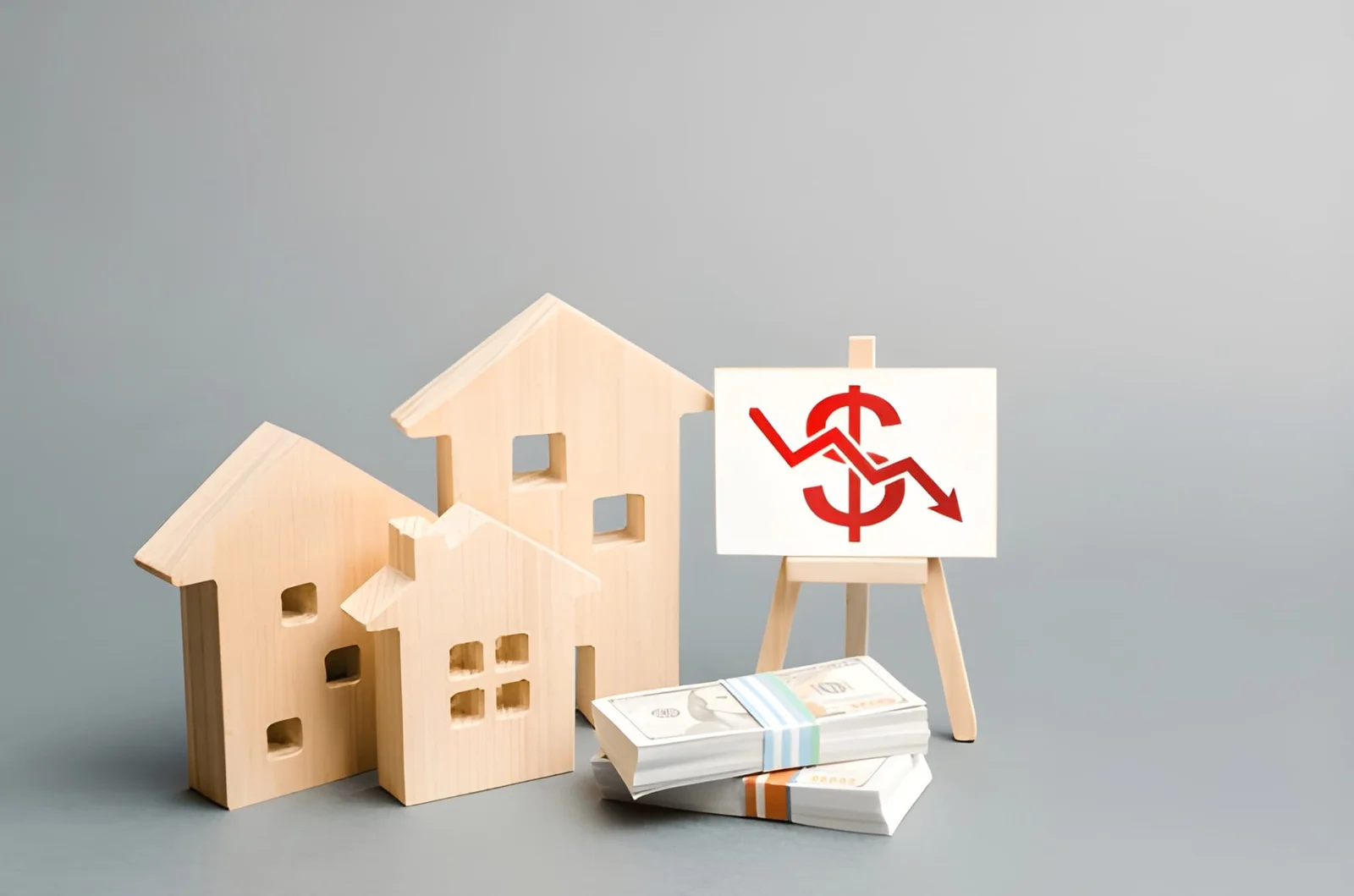
You paid full price for a sofa, a laptop, and a washing machine. A year later, you list them online and the offers feel insulting. Nothing is wrong with the items. The market simply values used things very differently from new ones. So why do some household purchases lose their resale value so quickly? Because a new product’s price includes retail markup, novelty, a warranty, and the convenience of delivery, and a used buyer is unwilling to pay for any of that. Some categories also face extra pressure from new models, trend shifts, and the hassle of moving heavy objects. This guide breaks the drop into six value leaks. You will find a quick answer, a leak table, a category comparison, a five-question resale score you can use before you buy, and a short FAQ. A minute of thought at checkout can save hundreds later.
Why Do Some Household Purchases Lose Their Resale Value So Quickly?
Household purchases lose resale value quickly when new models make them feel dated, when condition is hard to verify, when buyers face high transport or setup hassle, when styles change, or when demand is low. Most electronics lose the largest share of their value in the first 12 months, then depreciation slows in years two and three.
What Are the Six Value Leaks?
| Leak | What Happens | Example |
|---|---|---|
| Purchase gap | The moment you buy, the item becomes used, and retail markup disappears | Furniture, appliances, jewelry |
| Obsolescence | New model releases make older hardware feel dated | Phones, laptops, smart devices |
| Condition doubt | Buyers cannot easily check hidden wear, hygiene, or internal damage | Mattresses, upholstery, motors |
| Hassle cost | Heavy or built-in items are hard to move, remove, or install | Large sofas, built-in appliances |
| Style shifts | Items that look outdated sell for less, even in good condition | Trend-led furniture and decor |
| Missing extras | Missing boxes, chargers, or accessories can reduce resale prices | Electronics, kitchen gadgets |
Appliances follow a similar curve. Age is among the biggest factors, and appliances typically lose value rapidly in the first few years, then more slowly.
Which Categories Hold Value Better?
| Category | Typical Pattern | Why |
|---|---|---|
| Phones, laptops, tablets | Steep early drop | Frequent new models |
| Mass-produced furniture | Steep drop | Easy to replace, hard to move |
| Solid, well-made furniture | A handcrafted solid wood dresser can hold its value for decades, while mass-produced items may depreciate within a few years | Durability and lasting demand |
| Major appliances | Moderate to steep drop | Age, brand, and condition matter |
| Mattresses and bedding | Very low resale | Hygiene concerns |
| Tools and quality cookware | Often holds well | Durability, steady demand |
| Seasonal items | Varies by season | Demand shifts, such as air conditioners selling better in summer |
Brand reputation also matters, since well-known, durable brands tend to sell more easily.
How Do You Score a Purchase Before Buying?
Give one point for each “yes.”
- Can a stranger check its condition easily, with photos or a quick test?
- Is it a known brand or standard model that buyers search for?
- Is it light enough to move, collect, or post?
- Does demand stay steady, with no yearly new model cycle?
- Will you keep the box, receipt, manual, and accessories?
A score of 4 or 5 suggests decent resale potential. A score of 0 to 2 means you should treat the price as money spent, not stored. Buy it only if you want to use it.
How Can You Protect Resale Value?
Keep packaging and receipts, clean items before listing, sell before the next model launch, photograph in good light, and list in the right season. Choose durable pieces over trendy ones when you expect to resell.
Frequently Asked Questions
Is buying used always better?
Often cheaper, but check condition, safety, and warranty carefully.
Does a premium price protect resale value?
Not always. Premium electronics can still drop quickly.
When should I sell?
Before a new model launches or before the item shows more wear.
Bottom Line
Resale value falls where novelty, hassle, and hidden wear meet. Score a purchase before you buy, keep the extras, and treat low-scoring items as spending, not saving. A durable item you will use for years is worth more than a trendy one you hope to resell.
For resale value ideas must visit https://thehometrottersblog.com/