

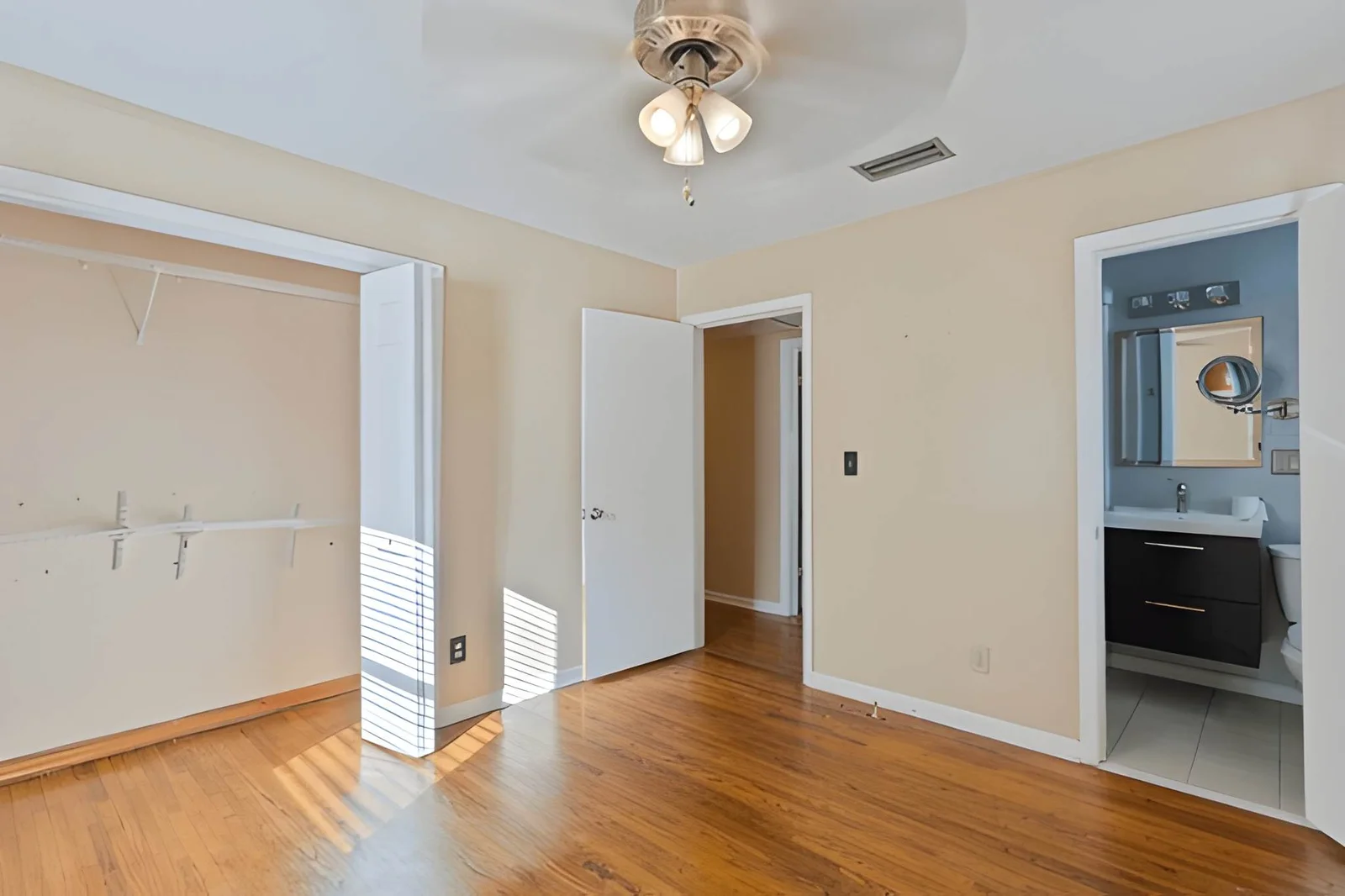
The spare room has a closed door and a good excuse. It holds a treadmill nobody uses, three boxes from the last move, and a quiet sense of guilt. You walk past it daily, and every day it costs you something. Not a bill with its name on it, but a slice of your mortgage or rent, your power, your heating or cooling, and your upkeep. So how much does an empty room cost you over the course of a year? For many households the answer lands in the low thousands, and it climbs sharply if the room could earn money instead. This guide gives you a simple formula and a worked example. You will find a quick answer, a cost table, a table separating costs you can avoid from costs you cannot, and a five-step calculation. Grab a utility bill, your housing payment, and a tape measure. Ten minutes is enough.
How Much Does an Empty Room Cost You Over the Course of a Year?
An empty room costs its share of your annual housing and running costs, plus any income it could earn but does not. To estimate it, divide the room’s floor area by your home’s total area, then multiply that share by your yearly housing, utility, and upkeep costs.
What Does the Math Look Like?
The figures below are an example only. Replace them with your own numbers.
| Cost | Formula | Example |
|---|---|---|
| Housing share | Annual housing cost × room share | $18,000 × 10% = $1,800 |
| Utilities share | Annual utilities × room share | $2,400 × 10% = $240 |
| Upkeep and cleaning | Annual upkeep × room share | $1,500 × 10% = $150 |
| Total allocated cost | Sum of the above | $2,190 per year |
In this example the room is 150 sq ft in a 1,500 sq ft home (10%), and annual housing cost is $1,500 per month. That works out to roughly $183 per month for a room that does nothing.
Which Costs Can You Actually Avoid?
This is the part most calculators skip. An allocated cost is a fair share on paper, but you only save money if the cost can really disappear.
| Cost | Avoidable Without Moving? | Why |
|---|---|---|
| Mortgage or rent share | No | Payment stays the same until you downsize or rent the room |
| Property tax and insurance | No | Based on the whole property |
| Heating and cooling | Partly | Closing vents and doors may trim some use, but results vary by home |
| Lighting and standby power | Yes | Switch off devices you do not use |
| Cleaning and upkeep | Partly | Less use means less wear, but some care is still needed |
So the cash you can recover without a big change is often much smaller than the full allocated cost. The larger number is your opportunity cost: what the space could earn or save if used well.
What Could the Room Earn Instead?
| Option | Possible Benefit | Check First |
|---|---|---|
| Rent to a lodger | Monthly income | Local rules, lease terms, insurance |
| Home office | Saves a coworking fee | Whether tax rules allow a deduction in your area |
| Short-term rental | Higher income per night | Permits and local restrictions |
| Storage cleanup | Frees the room for other uses | Cost of donating or selling items |
| Downsize later | Lower housing cost | Moving costs and market conditions |
If a lodger would pay $400 a month, the room could produce $4,800 a year before extra costs, more than double the allocated cost above.
How Do You Calculate Your Own Number?
- Measure the room and the whole home in square feet or meters.
- Divide the room area by the total area to get its share.
- Add up one year of housing costs: mortgage or rent, tax, and insurance.
- Add one year of utilities and upkeep.
- Multiply the totals by your share, then add what the room could earn if rented or used.
Frequently Asked Questions
Is an empty room really costing me money?
It costs you its share of fixed housing expenses, but only some of that is avoidable unless you change how you use or hold the space.
Should I count every room equally?
No. Use floor area, because a large room carries more of your costs than a closet.
Does rental income count as taxable?
It often does. Check your local rules or ask an accountant before you rent.
Bottom Line
An empty room has a price even if no bill shows it. Calculate its share of housing, utilities, and upkeep, then compare that with what it could earn. If the number surprises you, you have three options: use it, rent it, or plan a smaller home.
Must visit https://thehometrottersblog.com/ for empty room cost ideas.