

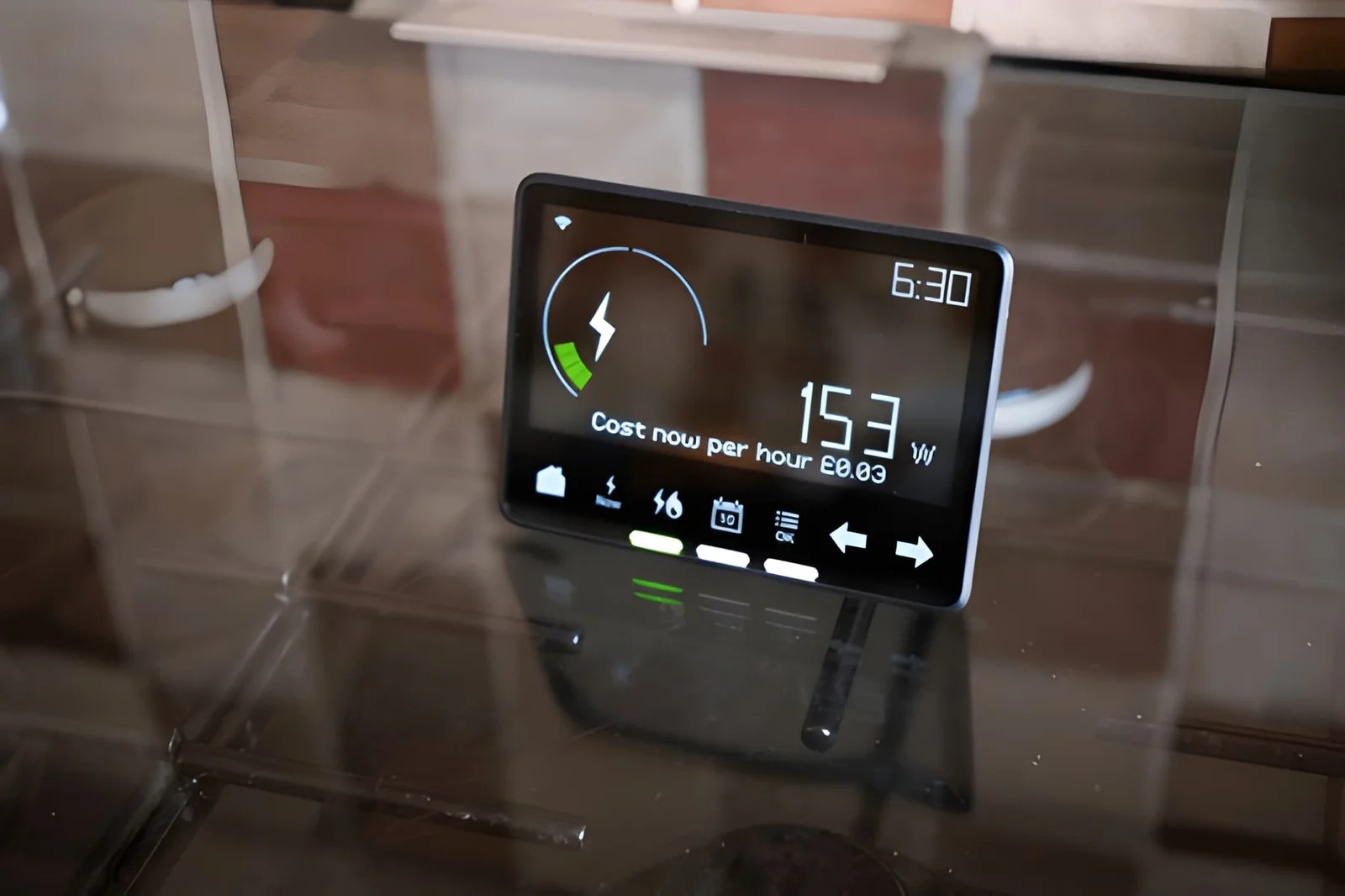
Energy waste in most US homes is invisible. The heating running in an empty room, the air conditioning cooling a space nobody’s been in for three hours, the bathroom exhaust fan left on all afternoon — none of it shows up as a line item on your utility bill. It just shows up as a number that’s higher than it should be, month after month, with no obvious explanation.
The frustrating part is that most of this waste is completely preventable — not with an expensive smart home overhaul or a professional energy audit, but with basic awareness of what’s actually happening in each room at any given time. The problem isn’t that the technology to get that awareness is out of reach. A single cheap sensor in the right location can start generating exactly that information for under $20.
This article covers what different types of cheap sensors actually detect, which rooms benefit most from sensor monitoring, what the data reveals that most homeowners genuinely don’t know about their own energy use, how sensors connect to smart home systems to automate the fixes, and whether the investment pays off against real US utility costs.
Why Room-Level Energy Waste Is So Hard to Catch Without a Sensor
The core problem is that your utility meter measures total home consumption. It tells you how much energy your household used this month. It tells you nothing about which room used it, when, or why.
A cheap sensor at the room level changes this completely. It creates visibility where there was none — and visibility is the first requirement for any meaningful reduction in energy waste.
| Energy Waste Type | Why It’s Hard to Catch | How a Sensor Reveals It |
|---|---|---|
| Heating empty rooms | No feedback that the room is unoccupied | Occupancy sensor detects no motion for hours |
| AC overcooling | Temperature feels fine in main areas | Temperature sensor shows overcooling in unused rooms |
| Humidity-driven energy waste | Invisible without measurement | Humidity sensor triggers ventilation only when needed |
| Door/window left open while HVAC runs | Not obvious from another room | Contact sensor detects open state, triggers alert |
| Exhaust fans running unnecessarily | Easy to forget once left on | Motion or timer-linked sensor cuts power automatically |
| Night setback not happening | Hard to verify without data | Temperature sensor confirms room temp overnight |
The Cheap Sensor Types That Actually Matter for Energy Monitoring
Not every sensor type contributes equally to energy awareness. For US homeowners focused specifically on reducing waste, four categories deliver the most actionable information.
Occupancy and Motion Sensors
These are the workhorses of room-level energy management. A motion sensor that detects whether a room is occupied costs $15 to $35 and integrates with most smart home platforms. When a room has been unoccupied for a set period — fifteen minutes, thirty minutes, whatever threshold makes sense — it can trigger lights off, thermostat adjustment, or fan cutoff automatically.
The energy impact in rooms that are frequently left lit or conditioned while empty is immediate and measurable.
Temperature Sensors
A cheap temperature sensor placed in individual rooms reveals something most US homeowners don’t know: the temperature in different rooms of the same house varies significantly from what the thermostat reads. A room on the south side of a house in summer can run 4 to 8 degrees warmer than the thermostat location. The system overcools the whole house to compensate for one hot room.
Temperature sensors at $10 to $25 each make this visible. The data often changes thermostat behavior in ways that reduce runtime without reducing comfort.
Door and Window Contact Sensors
Running heating or cooling with windows or doors open is one of the most common and most wasteful habits in US homes — and it’s usually completely unconscious. A contact sensor on a frequently opened door or window costs $10 to $20 and can trigger an alert or automation when the HVAC is running and a door has been open longer than a set threshold.
| Cheap Sensor Type | Typical US Cost | What It Detects | Energy Application |
|---|---|---|---|
| Motion/occupancy sensor | $15–$35 | Room occupancy | Auto-off for lights, HVAC adjustment |
| Temperature sensor | $10–$25 | Room temp vs thermostat | Identify overcooling/overheating zones |
| Door/window contact sensor | $10–$20 | Open/closed state | Alert when HVAC runs with openings |
| Humidity sensor | $15–$30 | Moisture level | Run exhaust fans only when needed |
| Combined temp/humidity sensor | $15–$35 | Both simultaneously | HVAC and ventilation optimization |
| Smart plug with energy monitor | $15–$30 | Per-device wattage | Identify energy-heavy appliances |
Humidity Sensors
Bathroom exhaust fans are typically left running long after they’ve done their job — or not run long enough to actually clear humidity after a shower. Either way, energy is wasted. A cheap humidity sensor set to trigger the fan when humidity exceeds a threshold and cut it when humidity returns to normal automates this correctly for the first time in most homes.
What the Data Actually Reveals — Specific Findings US Homeowners Typically See
This is where cheap sensors deliver value that’s genuinely surprising. Once room-level monitoring is in place, a consistent set of findings emerges across US households:
HVAC runtime in unoccupied rooms. Most homeowners discover their system conditions rooms that are unoccupied for six to ten hours daily. Redirecting that energy with occupancy-based thermostat triggers typically reduces HVAC runtime by 15 to 25% in those zones.
Temperature differential between rooms. The gap between the thermostat-controlled space and outlying rooms is usually larger than expected. South-facing rooms, rooms above garages, and rooms with poor insulation often run 5 to 10 degrees outside the target range — causing the whole-home system to work harder than necessary.
Lights left on in empty rooms. Motion sensor data consistently shows lights running in unoccupied rooms for two to four hours daily across a typical US household. At average US electricity rates of $0.16 per kWh, a 60-watt equivalent LED left on unnecessarily for three hours daily costs roughly $10 to $12 annually per bulb — multiplied across multiple rooms.
| Finding | Typical Discovery | Estimated Annual Saving When Fixed |
|---|---|---|
| HVAC conditioning empty rooms | 4–8 hours daily in 2–3 rooms | $80–$200 |
| Temperature differential ignored | 5–10°F variance from thermostat | $50–$150 in HVAC efficiency |
| Lights in unoccupied rooms | 2–4 hours daily per room | $10–$30 per room |
| Exhaust fans running unnecessarily | 1–3 hours beyond needed daily | $15–$40 annually |
| Windows open during HVAC operation | Undetected 30–90 min daily | $40–$100 |
| Standby appliance draw unmonitored | Continuous across multiple devices | $20–$60 |
How One Cheap Sensor Connects to Bigger Energy Savings
A single sensor in isolation generates data. A cheap sensor connected to a smart home platform generates action. The distinction matters for how much energy is actually saved versus merely observed.
Most current cheap sensors integrate with Amazon Alexa, Google Home, Apple HomeKit, or SmartThings without requiring expensive hubs. Once connected, the automation logic is straightforward: if the motion sensor reports no occupancy for twenty minutes, the thermostat adjusts by two degrees and the lights switch off. If the contact sensor reports the back door has been open for ten minutes while the AC is running, a phone notification fires.
These automations don’t require technical expertise to set up. They require about thirty minutes with a compatible app and a sensor that cost less than a restaurant meal.
Frequently Asked Questions
Can one cheap sensor really make a measurable difference in energy bills?
Yes — in the right location. A single occupancy sensor in a frequently conditioned but often empty room, connected to an HVAC automation, consistently reduces that zone’s heating and cooling runtime by 15 to 30%. At US average energy costs, that translates to $30 to $80 annually from one $20 device. The math works.
What is the best room to put a cheap sensor in first?
The room that’s heated or cooled regularly but occupied least — typically a guest room, home office used part-time, or formal dining room. An occupancy sensor there connected to a smart thermostat or smart vent produces the fastest measurable energy return.
Do cheap sensors work without a smart home system?
Some do. Battery-powered temperature and humidity sensors with their own displays provide data without any smart home integration. For automation — actually doing something with the data rather than just reading it — integration with a smart home platform is needed. Most cheap sensors support at least one major platform out of the box.
How long do cheap sensors last on battery power?
Most quality motion and temperature sensors run one to two years on a standard CR2032 or AA battery. Some manufacturers report up to three years in low-traffic environments. Battery life varies significantly with how frequently the sensor reports data — sensors set to report every thirty seconds drain faster than those set to report every five minutes.
Is a cheap sensor accurate enough to trust for energy decisions?
For the applications described here — occupancy detection, room temperature variance, door/window state, and humidity thresholds — accuracy requirements are modest and well within what cheap sensors deliver. You don’t need laboratory precision to know a room has been empty for two hours or that a window has been open while the AC runs. For those decisions, a $15 sensor is accurate enough.
The Bottom Line
Most US homes waste energy in ways that are completely invisible without room-level data. A cheap sensor in the right location makes that waste visible for the first time — and connected to a smart home platform, it fixes it automatically rather than just reporting it.
The entry cost is low. The setup is straightforward. The data is often genuinely surprising. And the savings, while not dramatic from any single sensor, compound across multiple rooms and multiple waste patterns into utility bill reductions that are real and recurring.
One cheap sensor is a reasonable starting point. A handful of them, placed strategically, changes how an entire home manages its energy — without a professional audit, without an expensive system, and without any changes to how the household actually lives.
For more cheap sensors must visit https://thehometrottersblog.com/