

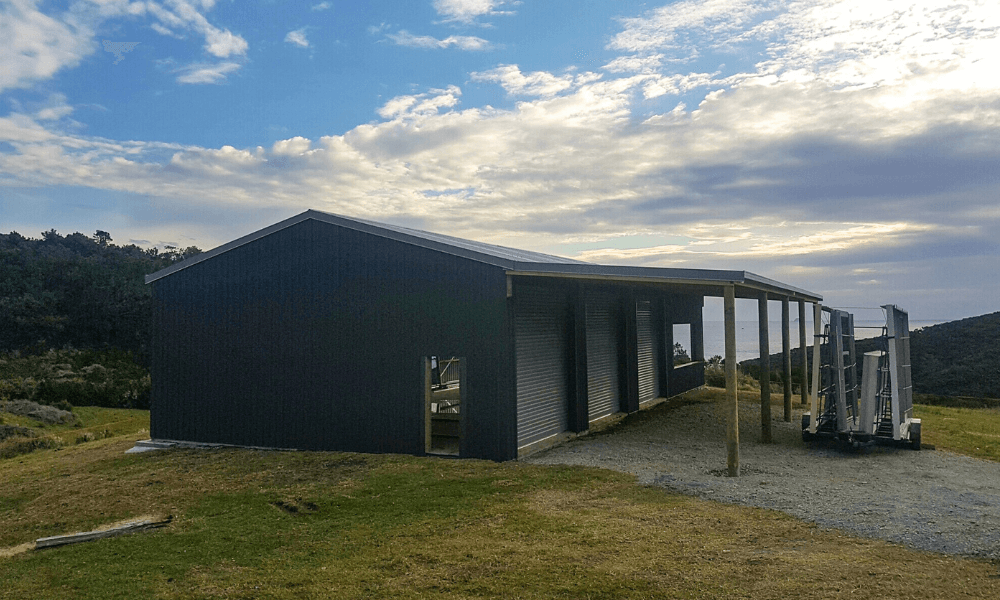
Living near the coast has plenty of perks—ocean views, refreshing sea breezes, and easy beach access. Unfortunately, those same conditions can be brutal on outdoor storage. Salt-laden air, intense UV exposure, heavy rainfall, high humidity, and hurricane-force winds can quickly destroy the wrong shed.
Many homeowners discover this the hard way. A standard metal shed may begin rusting within a few years, while wooden sheds often develop rot, mold, and warping from constant exposure to moisture. If you’re shopping for a storage solution that can truly withstand coastal conditions, high-quality resin sheds are often the smartest investment.
Why Coastal Climates Destroy Traditional Sheds
The Saltwater Effect on Metal Sheds
Salt spray is one of the biggest enemies of outdoor structures. Even galvanized steel eventually oxidizes when exposed to constant salty air. Coastal homeowners frequently notice rust forming around fasteners, hinges, seams, and scratched surfaces.
While metal sheds can perform well inland, coastal environments significantly accelerate corrosion, shortening their lifespan and increasing maintenance requirements.
Humidity and Rot in Wooden Sheds
Wood sheds face a different challenge: moisture.
Coastal regions often experience elevated humidity levels year-round. Over time, wood absorbs moisture, leading to swelling, warping, cracking, and eventually rot. Persistent dampness also creates ideal conditions for mold, mildew, and termite infestations.
Although treated lumber can slow deterioration, ongoing maintenance, staining, sealing, and repairs are typically necessary.
Why Resin and HDPE Sheds Last Longer
Resin and high-density polyethylene (HDPE) sheds offer a major advantage because they are naturally resistant to the elements that destroy traditional materials.
Unlike metal, resin doesn’t rust. Unlike wood, it won’t rot, splinter, peel, or attract insects. Modern resin sheds are engineered to withstand moisture, salt exposure, and UV radiation with minimal maintenance, making them particularly well-suited for coastal properties.
Crucial Features to Look for in a Coastal Weather Shed
Before buying a shed for a coastal location, focus on these essential features.
Wind Resistance
Coastal storms can produce sustained winds and powerful gusts, putting tremendous stress on outdoor structures. Look for sheds with reinforced steel frames and high wind-resistance ratings. Models capable of withstanding winds exceeding 100 mph provide valuable peace of mind during severe weather events.
UV Protection
Beachside sunlight is often more intense than inland exposure. UV-protected resin prevents fading, cracking, and brittleness, helping your shed maintain its appearance and structural integrity for years.
Ventilation Without Water Intrusion
A completely sealed shed can trap humidity inside, leading to mold and mildew growth. The best coastal sheds incorporate strategically placed vents that promote airflow while preventing wind-driven rain from entering.
Anchoring Capabilities
Anchoring is non-negotiable in coastal regions. Choose a shed with pre-drilled anchoring points and compatible foundation systems. Proper anchoring can mean the difference between a secure structure and a dangerous projectile during a tropical storm.
Top Picks: The Best Storage Sheds for Coastal Areas
Best Overall: Rubbermaid Resin Storage Shed
The Rubbermaid Resin Storage Shed remains a popular choice thanks to its durable, weather-resistant construction and low-maintenance design.
Its resin exterior withstands salt air, moisture, and sunlight while providing ample space for lawn equipment, beach gear, bicycles, and seasonal storage. Assembly is relatively straightforward, making it attractive for DIY homeowners.
For coastal installations, however, proper anchoring is essential to maximize storm resistance.
The Ultimate Coastal Champion
When it comes to surviving harsh coastal environments, long lasting plastic sheds from Keter stand out from the competition.
Popular lines such as the Darwin and Manor series use advanced weather-resistant resin engineered to mimic the appearance of natural wood without any of the maintenance concerns. These sheds won’t rust, rot, peel, or require repainting.
What makes Keter sheds especially attractive for coastal homeowners is their combination of:
- UV-protected resin construction
- Resistance to salt spray and humidity
- Steel-reinforced structural frames
- Built-in ventilation systems
- Minimal maintenance requirements
For homeowners seeking maximum durability with minimal upkeep, Keter’s resin technology provides one of the strongest defenses against coastal weather.
How to Anchor Your Shed in Sandy Coastal Soils
Coastal installation requires more than simply placing a shed on the ground.
Sandy soils shift more easily than compacted soils in inland areas, reducing the effectiveness of standard anchors. For optimal performance, install your shed on a properly prepared foundation.
Recommended options include:
- Reinforced concrete slabs
- Heavy-duty pressure-treated wooden platforms
- Deep earth augers designed for sandy soil
- Hurricane-rated anchor kits
A properly anchored foundation significantly reduces the risk of movement, structural damage, or total loss during severe coastal storms. For additional guidance, consult FEMA recommendations and local coastal building codes regarding anchoring requirements for outdoor structures.
Frequently Asked Questions About Coastal Sheds
What type of storage shed lasts the longest?
The type of storage shed that lasts the longest, especially in harsh coastal climates, is a high-density polyethylene (HDPE) or resin shed. Unlike metal that rusts from salt spray or wood that rots from humidity, Keter and similar brands are weather-resistant, require very little maintenance, and deliver exceptional durability.
Do your taxes go up if you put a shed on your property?
In many jurisdictions, temporary or non-permanent storage sheds do not significantly affect property taxes. However, sheds built on permanent foundations or large structures that increase property value may trigger reassessment. Coastal communities often have unique zoning and permitting requirements, so it’s important to check with your local building department before installation.
Choosing the best storage shed for a coastal climate isn’t just about storage capacity—it’s about survival. Salt air, humidity, intense sunlight, and strong winds can quickly destroy traditional materials.
For most coastal homeowners, resin sheds provide the ideal balance of durability, low maintenance, and weather resistance. Pair your shed with a proper foundation, secure anchoring system, and quality outdoor locks, and you’ll have a storage solution built to withstand years of coastal weather.