

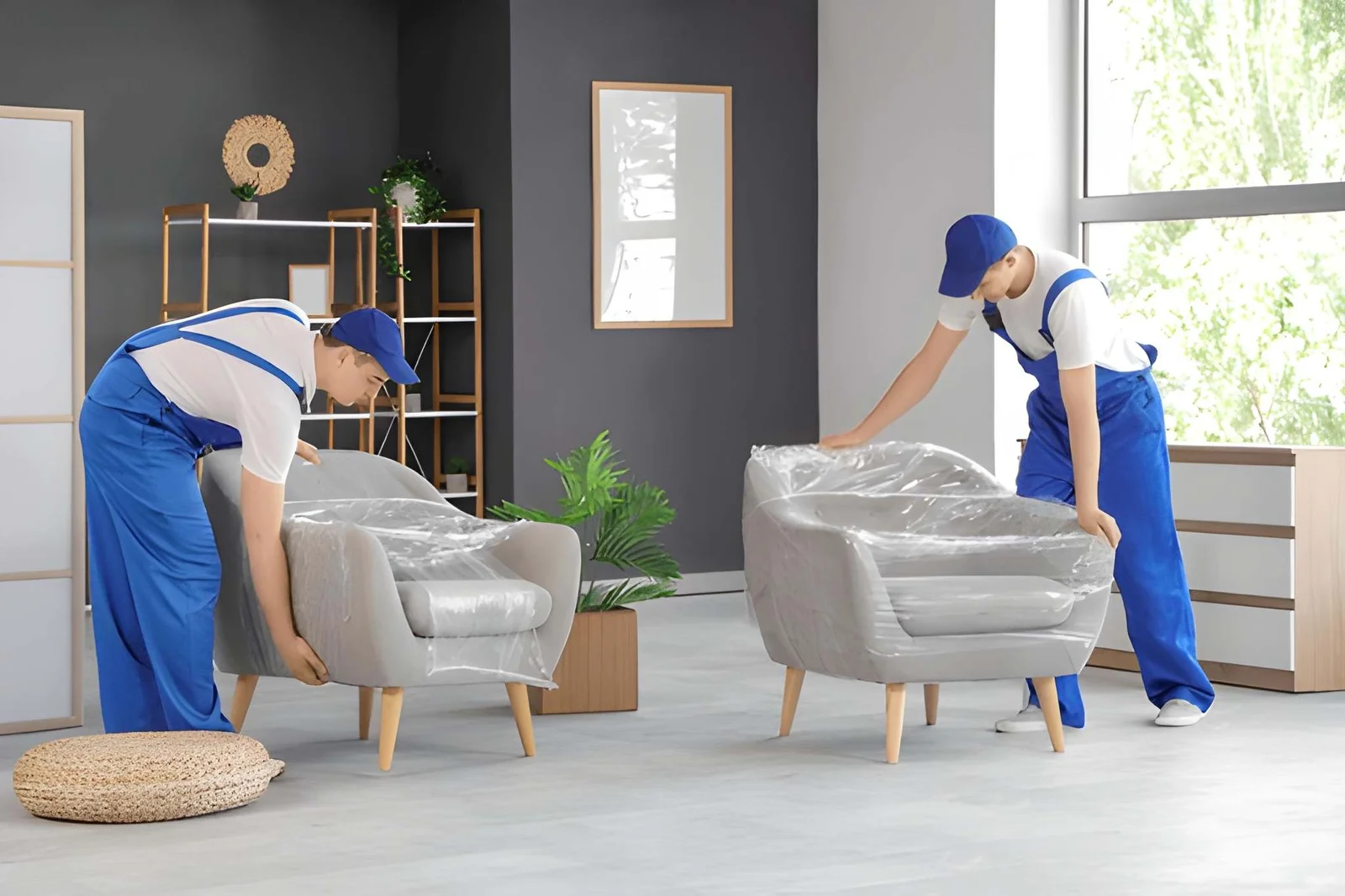
Furniture rarely gets damaged by one big accident. It gets damaged by a hundred small ones: a corner knocked on a doorframe, a drawer that slides open in the truck, a sofa dragged across a gravel driveway. Most of it is preventable with the right materials and a bit of order.
So how can you protect furniture during a house move? You prepare each piece before it leaves the room, wrap it with the right material for its surface, and load the truck so nothing can shift or crush anything else. This guide covers what to buy, how to wrap wood, upholstery, glass, and electronics, and how to load and unload safely. You’ll also see how to document condition for insurance and when it makes sense to hire professionals. The tables below turn the advice into a checklist. Most of the preparation takes a few hours, and it costs far less than replacing a damaged table or sofa.
How can you protect furniture during a house move?
Protect furniture by cleaning and emptying it, removing or securing loose parts, wrapping surfaces in blankets or padding, covering upholstery with plastic or stretch wrap, and loading heavy items first with straps holding everything steady. Photograph each piece beforehand for insurance.
What supplies do you need?
| Supply | Use | Notes |
|---|---|---|
| Moving blankets | Padding wood and finished surfaces | Better than towels for large pieces |
| Stretch wrap | Holding blankets and drawers in place | Keep it off bare wood, which can mark |
| Furniture covers or plastic sheeting | Protecting upholstery from dirt and moisture | Use breathable covers for long storage |
| Corner protectors | Table and frame corners | Cardboard or foam |
| Bubble wrap | Glass, mirrors, small fragile parts | Wrap loosely, then tape the wrap to itself |
| Straps and a dolly | Moving heavy items | Reduces strain and dropping risk |
| Zip bags and labels | Screws and hardware | Tape to the furniture piece |
How do you protect each type of furniture?
| Type | Main risk | Protection |
|---|---|---|
| Wood | Scratches and dents | Blanket, then stretch wrap over the blanket |
| Upholstered sofas | Dirt and tears | Fabric or plastic cover, with corners padded |
| Glass tops and mirrors | Breakage | Corner guards, bubble wrap, and upright transport |
| Mattresses | Stains and tears | Mattress bag, kept flat or on its side |
| Appliances | Dents and leaks | Secure doors, drain hoses, and pad the exterior |
| Electronics | Impacts and static | Original box if you have it, or padded wrap |
| Leather | Scuffs and moisture | Breathable cover, since sealed plastic can trap moisture |
What should you do before wrapping?
| Step | Why |
|---|---|
| Empty drawers and cabinets | Reduces weight and prevents shifting |
| Clean and dry each piece | Dirt scratches surfaces when wrapped |
| Remove legs, shelves, and doors where practical | Shrinks the load and prevents snapping |
| Bag and label hardware | Makes reassembly simple |
| Photograph condition | Evidence for insurance |
| Measure doors and halls | Avoids forcing a piece through a tight gap |
How should you load the truck?
| Rule | How to apply it |
|---|---|
| Heavy and sturdy pieces first | Create a stable base against the cab wall |
| Keep large items upright when designed for it | Sofas and mattresses often fit best on their sides |
| Use straps and fill gaps | Prevents shifting |
| Fragile items last and on top | Away from pressure |
| Keep pieces from touching bare walls | Pad every contact point |
| Never stack on glass or electronics | Weight can crack them |
How do you protect your home during the move?
| Area | Protection |
|---|---|
| Floors | Runners, cardboard, or floor film |
| Door frames | Padded corners |
| Stair rails | Wrap with blankets |
| Elevators | Pad the walls and book a time slot |
Protecting the house also protects your deposit if you rent.
What about insurance and professionals?
| Question | Answer |
|---|---|
| Does basic mover coverage pay replacement value? | Often not. Many offer limited coverage by weight, so read the terms |
| Should you buy extra insurance? | Consider it for valuable or antique pieces |
| Should you hire professionals? | Yes, for pianos, very heavy items, and fragile antiques |
| What if something is damaged? | Photograph it, note it on the delivery paperwork, and file a claim promptly |
I’m not an insurance advisor, so confirm coverage details with your mover and insurer.
What mistakes should you avoid?
- Wrapping dirty furniture. Grit scratches the finish.
- Using only plastic on wood or leather. It can trap moisture.
- Overloading drawers. Weight stresses joints.
- Rushing the loading. Most damage happens in the last hour.
Frequently asked questions
What is the best way to wrap wooden furniture?
Cover it with a moving blanket first, then hold the blanket with stretch wrap, which should stay off the wood itself.
Can you keep clothes in dresser drawers?
Usually no. Empty them to avoid damage and reduce weight.
Should you wrap furniture in plastic?
Use it on upholstery to protect against dirt and rain, but pair it with padding and avoid long-term sealed storage.
One last thought
I’d photograph every piece before wrapping. It takes five minutes, and a clear photo is the strongest thing you can have if a claim comes up.
For furniture protecting ideas during a house move must visit https://thehometrottersblog.com/