

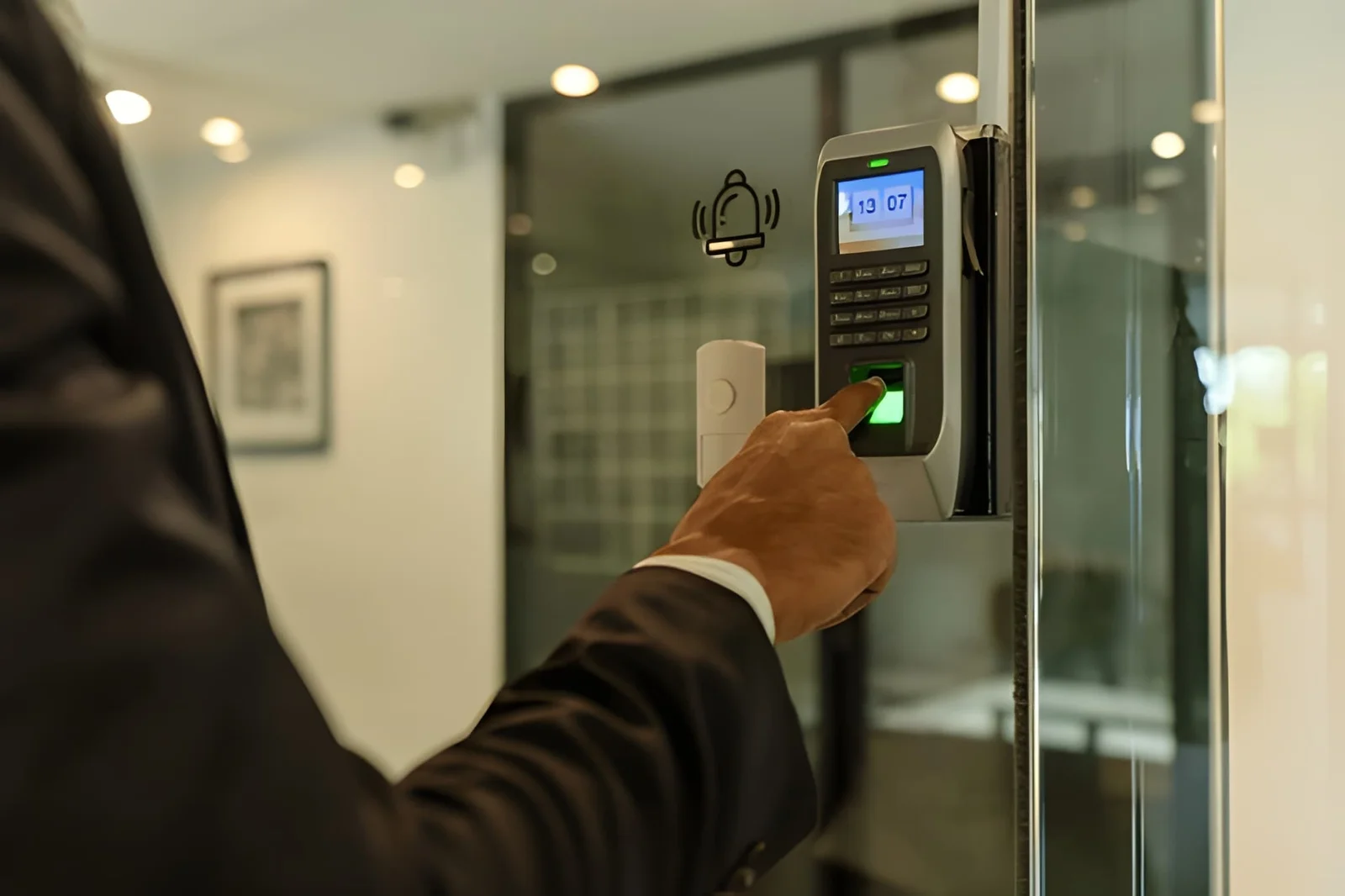
Most people install a door sensor for one reason: to know when the front door opens. That’s a fine reason, but it’s also the least interesting thing this small device can do. Tucked into a corner of the frame, a door sensor is quietly capable of tracking habits, saving energy, catching problems before they become expensive, and covering rooms most people never think to monitor.
This article goes past the basic “someone’s home” alert and looks at the practical, slightly unexpected uses that make a door sensor worth having even in a house with no security system at all. You’ll see where it pays for itself, which rooms benefit most, and the setup mistakes that quietly waste its potential. By the end, you’ll have a clear picture of whether one sensor is enough or whether a few strategically placed ones would do more work for less effort.
If yours has only ever told you the mail arrived, it’s underused.
What a Door Sensor Actually Tracks
At its core, a door sensor detects when a magnetic contact breaks, meaning the door or window it’s attached to has opened. That single signal sounds basic, but paired with a smart hub, it becomes a trigger for dozens of automations that have nothing to do with security alerts.
Uses Beyond the Basic Arrival Alert
| Use Case | How the Door Sensor Helps | Practical Benefit |
|---|---|---|
| Energy savings | Triggers thermostat pause when a door stays open | Reduces heating and cooling waste |
| Refrigerator monitoring | Alerts if the fridge door isn’t fully closed | Prevents spoiled food and wasted power |
| Pet tracking | Logs when a pet door or gate opens | Confirms pets are moving between spaces safely |
| Medicine cabinet check | Confirms a cabinet was opened at the right time | Useful reminder system for medication routines |
| Mailbox notification | Flags when the mailbox is opened | Skips unnecessary trips outside |
| Garage door safety | Confirms the garage actually closed | Prevents an open garage overnight |
Where a Door Sensor Pays for Itself
A single sensor costs very little compared to the problems it can prevent. The clearest example is HVAC waste: a door or window left open while heating or cooling runs can add real cost to a monthly bill without anyone noticing until it’s too late.
| Scenario | Without a Door Sensor | With a Door Sensor |
|---|---|---|
| Window left open during AC use | Cooling runs against outside air, wasting energy | Automation pauses HVAC until it closes |
| Fridge door ajar overnight | Food spoils, power is wasted | Alert sent within minutes |
| Kid leaves the back door open | Discovered by chance, sometimes hours later | Instant notification to a phone |
| Garage left open overnight | Security risk, discovered the next morning | Reminder sent before bed |
Rooms People Forget to Monitor
Most households place a door sensor on the front door and stop there. That leaves easy wins on the table.
- Back and side entry doors, often the most overlooked access points
- Garage entry doors, not just the main garage door
- Liquor or medicine cabinets, for households with children
- Attic or basement access doors, useful for humidity and pest checks
- Window-heavy rooms where HVAC waste is highest
Setup Mistakes That Waste Its Potential
| Mistake | What Happens | Better Approach |
|---|---|---|
| Placing it only on the front door | Misses energy and safety uses elsewhere | Add sensors to windows and secondary doors |
| Skipping automation setup | Sensor only sends raw alerts, no real value | Connect it to thermostat or lighting routines |
| Weak battery checks | Sensor silently stops reporting | Set a recurring battery check reminder |
| Ignoring notification fatigue | Too many alerts get muted entirely | Limit alerts to meaningful triggers only |
| Wrong sensor gap distance | False triggers or missed detections | Follow the manufacturer’s gap spec exactly |
For a broader look at pairing sensors with existing smart hubs, SmartThings’ device compatibility guide is a solid reference point.
Frequently Asked Questions
Is a door sensor worth it without a full security system?
Yes. Energy savings, appliance monitoring, and pet tracking work independently of any alarm setup, so the value holds even in a home with no security subscription.
How many door sensors does an average home need?
Most households benefit from three to five: front and back entries, the garage, and one high-waste window or the refrigerator.
Do door sensors need Wi-Fi to work?
Most connect through a hub using Zigbee or Z-Wave rather than direct Wi-Fi, which keeps them reliable even during a router outage.
Bottom Line
A door sensor earns its cost long before it ever catches an intruder. Used well, it quietly saves energy, protects food in the fridge, tracks pets, and closes the gap on rooms nobody thinks to check. The households getting the most out of theirs aren’t the ones with the most expensive security system, they’re the ones who placed a few inexpensive sensors in the right spots and let automation handle the rest.
Must visit https://thehometrottersblog.com/ for door sensors.