

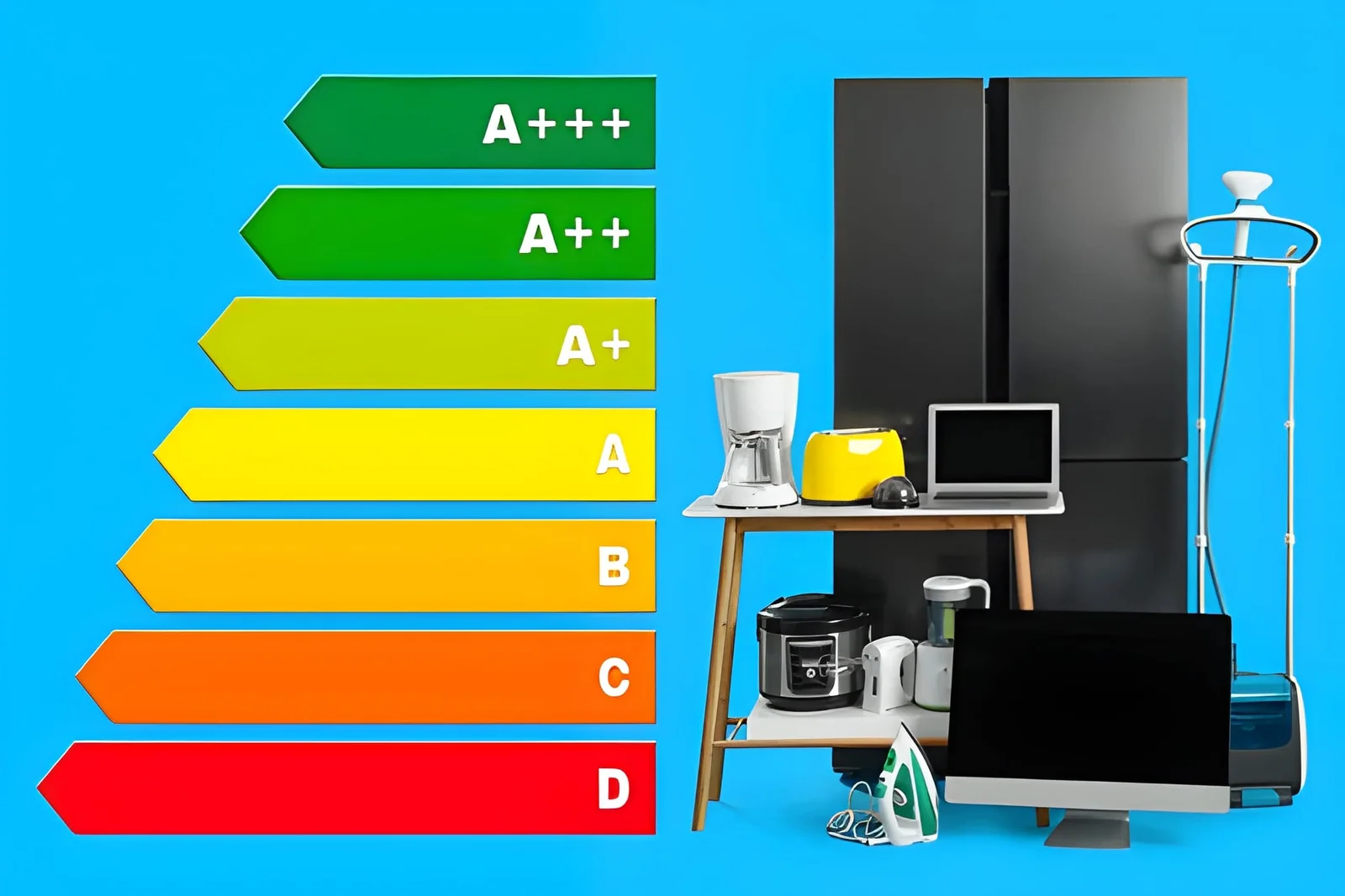
Two refrigerators sit side by side in the store. One costs $80 less, and the choice feels easy. Then the electric bill arrives every month for the next twelve years, and the “cheaper” fridge quietly gives that $80 back and keeps going.
So why should you read appliance energy labels before comparing prices? Because the sticker price is only the first payment. The yellow EnergyGuide label tells you how much power a model is expected to use and roughly what that will cost each year, which turns a price comparison into a true cost comparison. This guide explains what each part of the label means, how to adjust the estimate to your own electricity rate, how EnergyGuide differs from ENERGY STAR, and where labels fall short. You’ll also see a worked example and a short store checklist. The tables keep it easy to scan. Rates vary by state and change over time, so use your own bill for the final math.
Why should you read appliance energy labels before comparing prices?
Energy labels show estimated yearly energy use and operating cost, so you can compare lifetime cost, not just purchase price. A cheaper appliance that uses more power can cost more over its lifespan. Reading the label first helps you judge whether a higher price pays for itself.
What does the EnergyGuide label show?
| Label element | What it tells you | How to use it |
|---|---|---|
| Make, model, and size | Which product the numbers describe | Compare similar sizes only |
| Estimated yearly operating cost | A figure based on the nationwide average cost of electricity | Use it for side-by-side comparison |
| Estimated yearly energy use (kWh) | Expected electricity use per year | Lower is better, and it’s the figure to rely on most |
| Cost range bar | Where this model sits among similar ones | Look for the left side |
| Rate and usage assumptions | The cost per kWh and use pattern behind the estimate | Compare with your own bill |
How do you adjust the estimate to your home?
Divide the label’s kWh figure by nothing; instead, multiply the kWh by your own electricity rate to estimate your annual cost. Your utility bill lists your rate per kWh.
| Example | Model A | Model B |
|---|---|---|
| Purchase price | $900 | $980 |
| Label energy use | 600 kWh/year | 450 kWh/year |
| Cost at an assumed 17¢ per kWh | $102/year | $76.50/year |
| Yearly difference | About $25 | |
| Over 12 years | About $306 saved |
These numbers are illustrative. Your result depends on your actual rate and how long the appliance lasts.
EnergyGuide or ENERGY STAR: what’s the difference?
| Feature | EnergyGuide | ENERGY STAR |
|---|---|---|
| What it is | A required yellow disclosure label | A voluntary efficiency certification |
| What it shows | Energy use and estimated cost | That a model meets efficiency criteria |
| Best use | Comparing specific models | Quick screening of efficient options |
Check both. A certified model can still differ from another certified model in actual use.
Where do labels fall short?
| Limitation | Why it matters |
|---|---|
| National average rate | Rates are updated only every few years, so they may not match current prices. |
| Standard usage assumptions | Your habits may differ |
| Not every product has one | Cooking appliances and clothes dryers don’t carry EnergyGuide labels. |
| Different label years | Cost figures between older and newer labels may not line up, so compare kWh |
| Hidden costs | Water, detergent, and repairs aren’t included |
What is a five-step store checklist?
| Step | Action |
|---|---|
| 1 | Pick models of the same size and type |
| 2 | Write down each model’s kWh figure |
| 3 | Multiply by your own rate |
| 4 | Add the result to the price over the expected lifespan |
| 5 | Check rebates and ENERGY STAR status |
What should you avoid?
- Comparing only price tags. The cheapest model may cost more in the long run.
- Trusting the dollar figure alone. Use kWh and your own rate.
- Comparing different sizes. Larger models naturally use more.
- Ignoring rebates. Utilities and governments sometimes help with efficient models.
Frequently asked questions
Is a higher-priced efficient model always worth it?
Not always. Heavy use, high local rates, and a long lifespan make it more likely to pay off.
Do online listings show energy labels?
Many retailers display them, but check the manufacturer or retailer’s spec sheet.
How much do energy labels matter for small appliances?
Less than for large, always-on appliances like refrigerators and freezers.
One last thought
I’d start with the refrigerator. It runs every hour of every day, so a small efficiency gain compounds more than almost anywhere else in the house.
Must visit https://thehometrottersblog.com/ for appliance energy labels.