

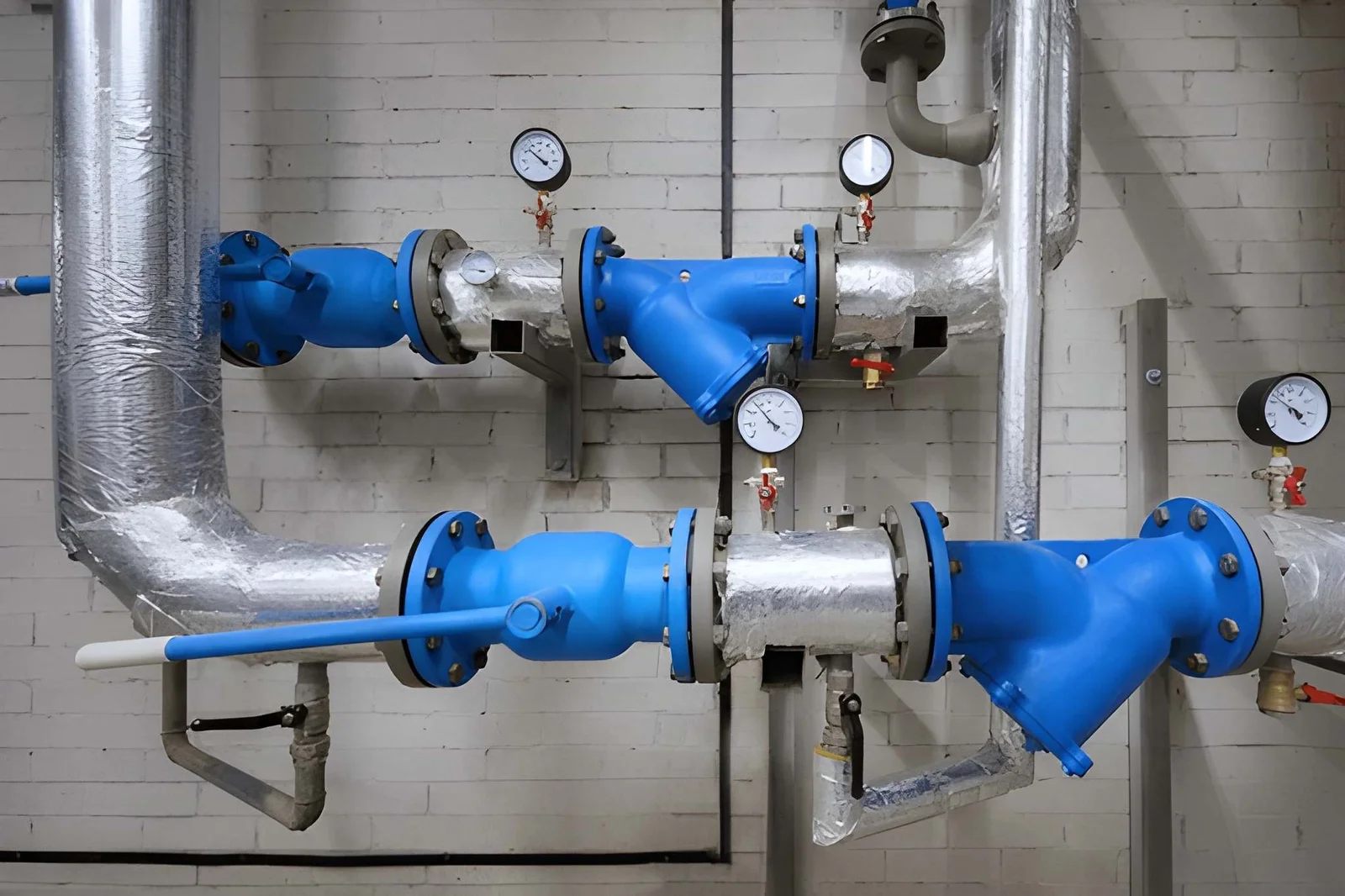
It usually starts with a sound: a hiss in the wall, a drip through the ceiling, or a pipe that split in the garage overnight. Water is pouring out, and every minute adds to the damage. The main shutoff valve is the one control that stops it, and most people have never touched theirs.
So what happens when a home’s main water supply needs emergency isolation? The flow stops at the source, pressure drops, taps run dry within moments, and you gain time to fix the problem. But things can go wrong. Valves stick, water heaters need attention, and restoring water the wrong way can cause new damage. This guide explains what happens step by step, how to find and operate the two common valve types, what to do about electricity and the water heater, and how to turn water back on safely. You’ll also see when to call a plumber or the utility. The tables are built for a stressful moment. Learn them before you need them.
What happens when a home’s main water supply needs emergency isolation?
Closing the main shutoff stops water entering the house, pressure falls, and taps and appliances run dry once the pipes drain. This limits flooding and gives you time to repair. Shut off the water heater, open a faucet to drain the lines, and call a plumber.
What happens, step by step?
| Moment | What happens | What to do |
|---|---|---|
| Valve closes | Water stops entering the house | Confirm the leak slows |
| Next minute or so | Taps give a last burst, then run dry | Open one faucet to drain remaining water |
| Toilets | One more flush from each tank | Save it for emergencies |
| Water heater | Tank keeps its water, but cold supply is cut | Turn off its power or gas if the leak is at or after it |
| Appliances | Washers, dishwashers, and ice makers lose supply | Switch them off |
| Leak continues briefly | Water left in the pipes drains out | Place buckets and towels |
How do you find and operate the valve?
| Valve type | Look | How to close it |
|---|---|---|
| Ball valve | Lever handle | Turn the lever a quarter turn so it sits perpendicular to the pipe |
| Gate valve | Round wheel | Turn clockwise a few turns until it stops |
| Fixture stop | Small valve at a sink or toilet | Turn clockwise to isolate only that fixture |
| Curb stop | Underground at the street meter box | Usually the utility’s responsibility, so call them |
| Where to look | Typical spots |
|---|---|
| Cold climates | A utility room, often near the furnace or water heater |
| Warm climates | Outside wall, garage, or an exterior ground box |
| Clue | Follow the largest pipe from the meter into the house |
What if the valve won’t turn?
Forcing a seized gate valve can snap the stem or break the wedge inside, which may leave you without a reliable shutoff.
| Problem | Action |
|---|---|
| Stiff handle | Try gentle, steady pressure, never a pipe wrench lever |
| Won’t close fully | Use the curb stop or call the water utility |
| Leaks around the stem | Call a plumber, since it may need replacing |
| Old gate valve | Consider having a plumber inspect or replace one that is 15 to 20 years old |
What about electricity and the water heater?
| Hazard | Safe approach |
|---|---|
| Water near outlets or the panel | Turning off electricity first is a smart move when water is involved, but never step into standing water to reach the panel |
| Electric water heater | Switch off its breaker before draining it |
| Gas water heater | Set the gas valve to off or pilot |
| Flooded basement | Stay out and call the utility or an electrician |
How do you restore the water safely?
| Step | Why |
|---|---|
| Make sure the repair is done | Prevents a repeat flood |
| Close all faucets | Avoids sudden bursts |
| Reopen the valve slowly | Reduces pressure shock |
| Open a faucet to purge air | Clears sputtering |
| Check joints and ceilings for drips | Catches new leaks early |
| Flush the taps until water runs clear | Removes sediment |
When should you call for help?
| Situation | Who to call |
|---|---|
| Burst or hidden pipe | A licensed plumber |
| Valve fails | A plumber, or the utility for the curb stop |
| Standing water near electrics | An electrician and the utility |
| Water damage | Your insurer, then a restoration company |
| Suspected main line break outside | The water utility |
Take photos of damage before cleanup, and keep receipts. I’m not an insurance advisor, so check your policy’s notice requirements.
Frequently asked questions
How fast should you shut off the water?
As quickly as safely possible, since flow continues until the valve is closed.
Can you shut off the main in winter?
Yes, and for burst pipes it’s often essential. Keep the home heated to protect other pipes.
Should you test the valve now?
Yes. Turn it off and on once a year, gently, and label it.
One last thought
I’d put a bright tag on the valve and test it on a calm weekend. A stuck valve found on a quiet day is a small repair, and the same valve found during a flood is a disaster.
For main water supply isolation ideas must visit https://thehometrottersblog.com/